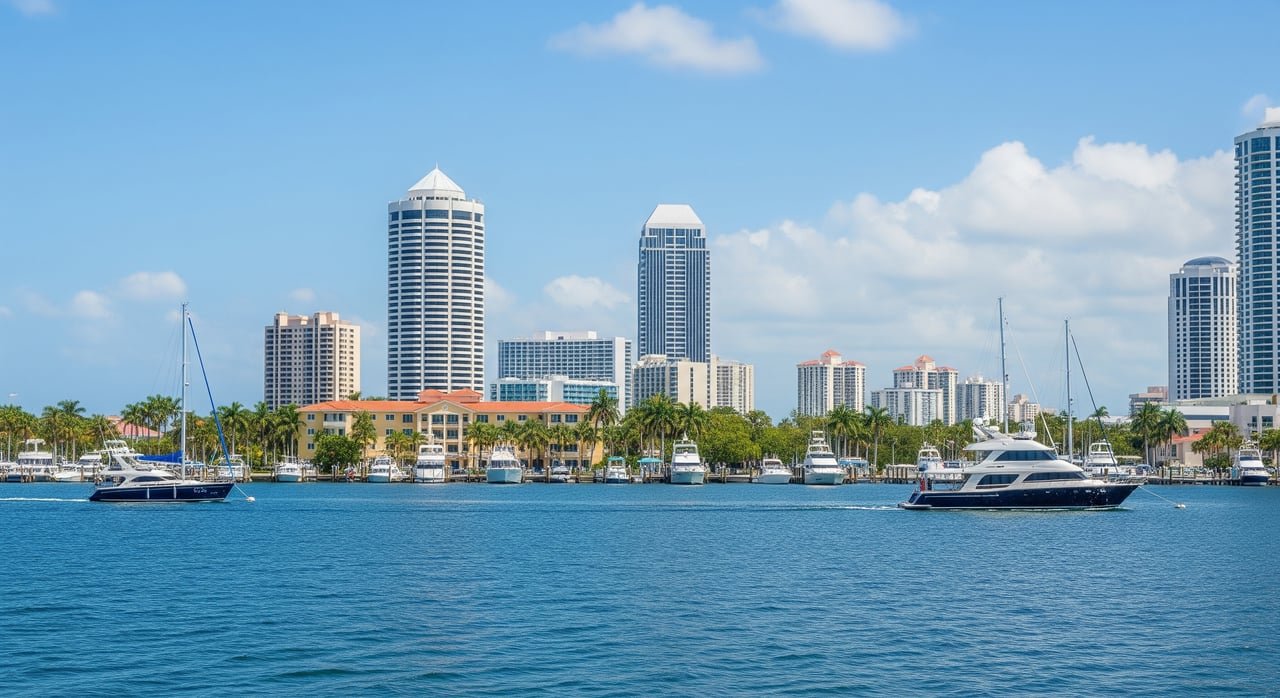
Water at your doorstep is a dream, but the right way to live on it is not one-size-fits-all. If you are weighing a Fort Myers waterfront condo against a single-family home, you are really choosing a lifestyle, a maintenance model, and a risk profile. This guide breaks down what changes when you add docks, seawalls, flood zones, and association rules to the equation. By the end, you will know the tradeoffs that matter and the checks to make before you buy. Let’s dive in.
What waterfront living means in Fort Myers
Condo waterfront at a glance
Condos concentrate ownership inside your walls while the association manages exteriors and common elements. You may have community docks, a pool, and security with a lock-and-leave feel. The tradeoff is association rules, shared amenities, and exposure to special assessments if big repairs are needed.
Single-family waterfront at a glance
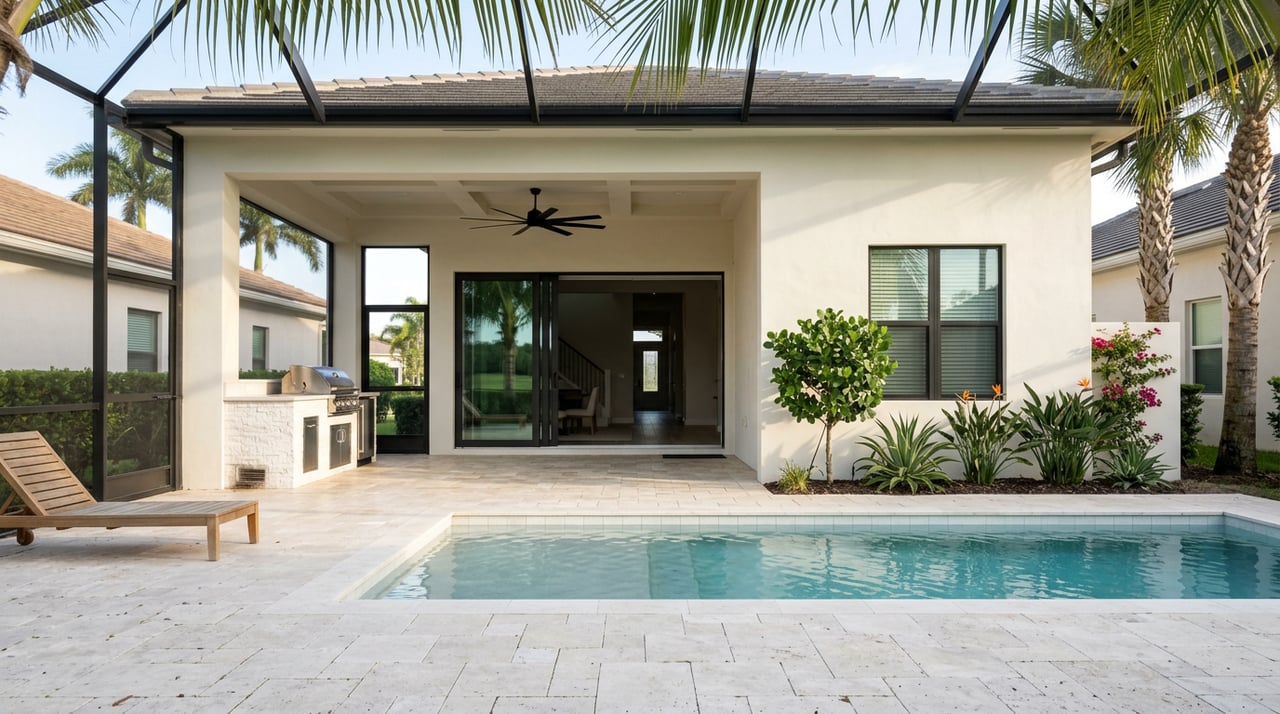
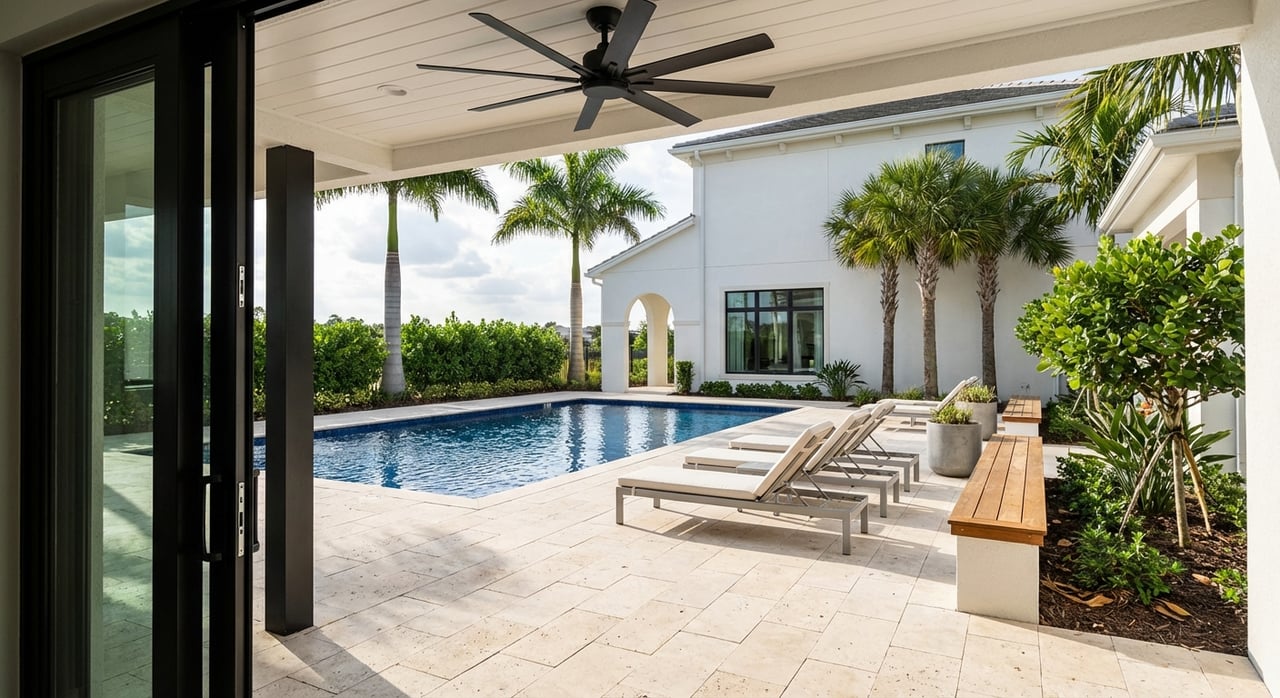
Single-family homes give you control of your roof, yard, seawall, and private dock on your parcel. You get privacy and the freedom to customize, especially for boaters with specific needs. You also take on full responsibility for upkeep and storm readiness.
Ownership and maintenance costs
Condo associations typically handle the building shell, roofs, elevators, parking areas, landscaping of common areas, and sometimes dock infrastructure when it is shared. Your dues fund this, so the association’s budget and reserves matter. Owners usually handle interior finishes, HVAC inside the unit, and sometimes balconies or patios.
For condos, review CC&Rs, bylaws, reserve studies, operating budgets, insurance certificates, recent meeting minutes, and any litigation disclosures. Waterfront buildings can face corrosion, seawall or dock repairs, and exterior envelope work. If reserves are thin, owners can be assessed.
With single-family waterfront, you handle everything on your lot. That includes roof, exterior, landscaping, pool, pest control, driveway, and all marine structures. On salt or brackish water, plan for corrosion control, marine-grade fasteners, dock wood rot checks, and more frequent repainting. You gain independence, but cost exposure sits with you alone.
Docks, slips and seawalls
Access types and boat routes
Fort Myers offers varied waterfront: riverfront on the Caloosahatchee, canal networks, basins and estuaries, and routes to the Gulf. Canal and river routes can include bridge clearances, no-wake zones, and tidal depth changes. Your time to the Gulf and bridge heights influence daily boating and resale appeal.
Slip rights and rules
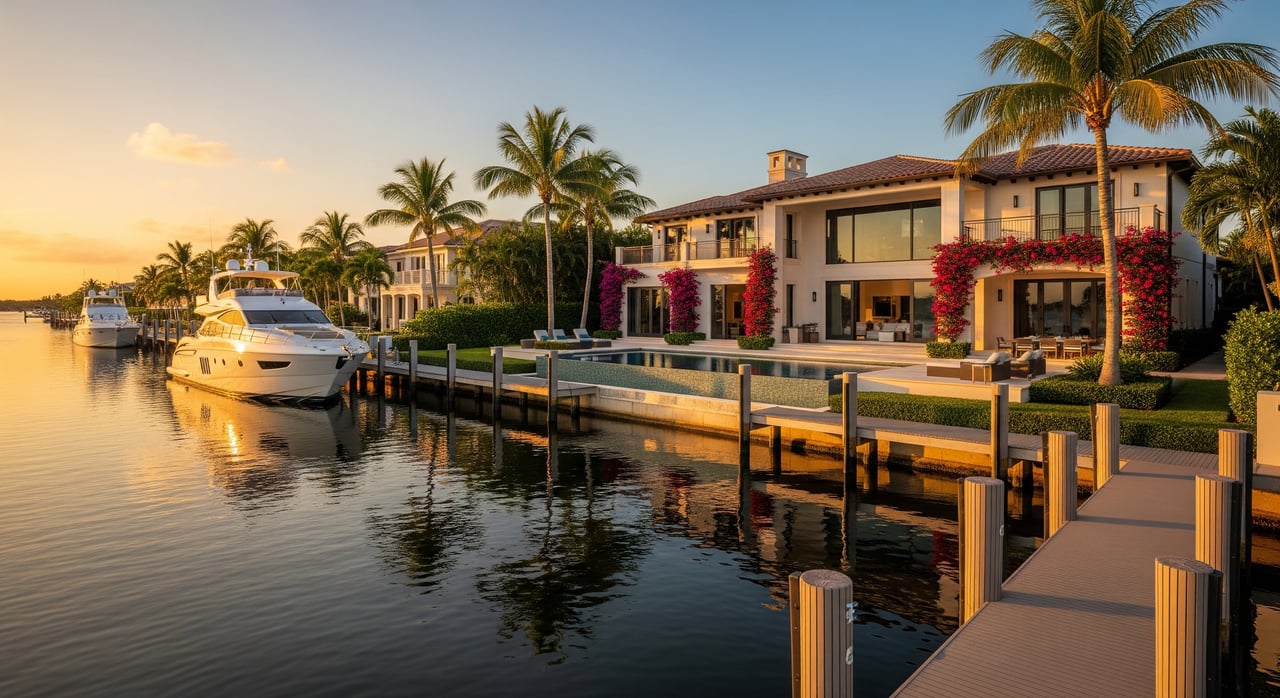
In condos, slips can be owned by the association with assignment rules, leased or sold separately, or offered in limited numbers with waiting lists. Rules may govern boat size, storage, and guest docking. If a slip matters to you, verify whether rights are deeded, assigned, or revocable before you make an offer.
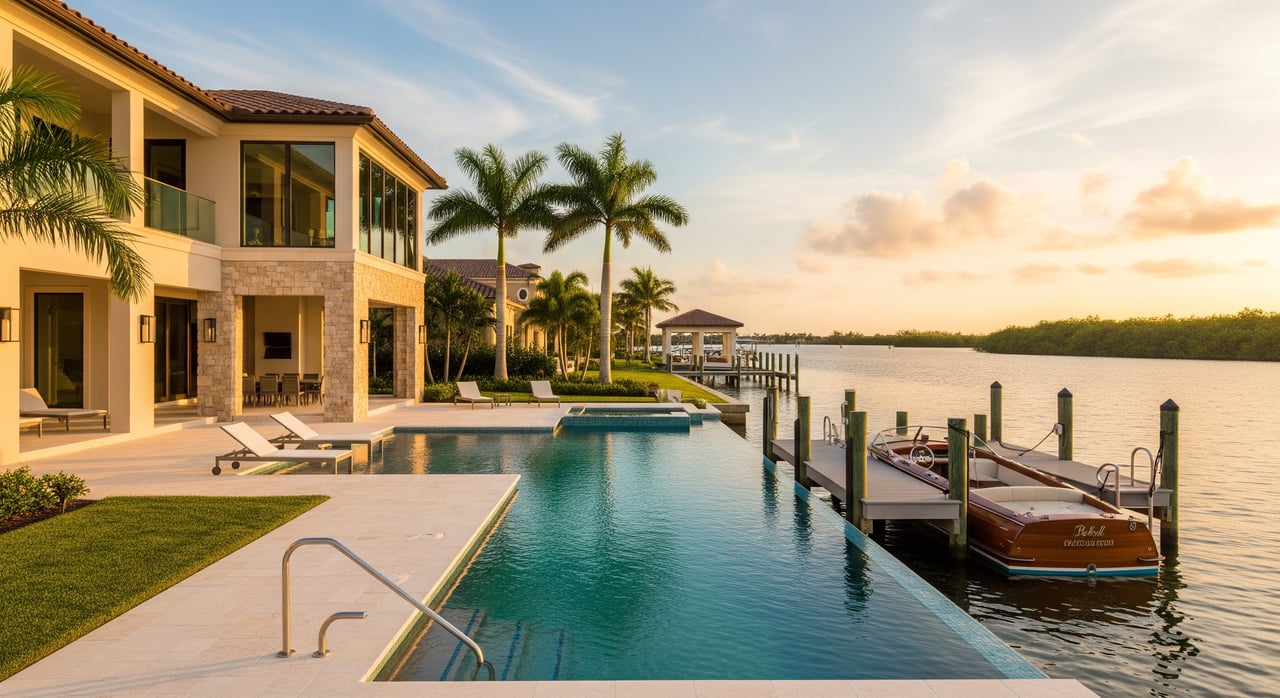
In single-family settings, your private dock is usually yours to maintain. If you are in a deed-restricted community, confirm whether community rules or shared waterways add obligations or limitations.
Seawall condition and costs
Seawalls protect upland areas and are costly to rebuild. Condition, construction standards, tiebacks, sheet piling, cap, and scouring protection all matter. Ask for the seawall’s age and repair history. Expect costs to scale with length, materials, and site access. A marine specialist inspection is a smart step.
Permits and agencies
Dock and seawall work in Lee County usually requires local permits, and certain projects may also need state or federal approvals when work affects submerged lands or sensitive areas. Local rules address setbacks, mangroves, and standards for waterfront structures. Unpermitted past work can be a problem for a new owner, so verify the permit trail.
Insurance and flood risk
Flood zones and elevation
Flood exposure in Fort Myers varies block by block. FEMA flood zones such as AE or VE typically trigger lender-required flood insurance for federally backed loans. Elevation Certificates help refine premiums. Future map updates and sea-level rise can influence long-term costs and requirements.
For condos, an association may carry a master flood policy for the building shell. You may still need contents and walls-in coverage depending on the master policy. For single-family homes, you will secure your own flood policy based on the structure, elevation, and zone.
Wind and hurricane coverage
Coastal properties face higher wind and hurricane exposure. Condo associations usually carry a master property policy for exteriors and common elements. Unit owners often carry HO-6 policies for interior coverage and liability. Single-family owners typically use HO-3 or HO-5 policies with wind and hurricane endorsements. Associations can have large wind deductibles that may be assessed to owners after a storm.
Financing differences
Condo financing depends on the project’s health and compliance. Lenders often review owner-occupancy ratios, reserves, litigation, insurance, and other project-level criteria. Single-family underwriting is more property-specific but still requires proof of adequate wind and flood coverage when applicable. Cash buyers avoid lender rules but still benefit from verifying insurability and costs.
Lifestyle and use tradeoffs
Privacy, space and noise
Single-family homes give you private yards, room for larger boats, and fewer shared walls. Canal traffic and nearby ramps can still add noise. Condos deliver a shared waterfront experience with convenience, though hallways, elevators, guests, and short-term rental activity in some buildings can affect quiet enjoyment.
Amenities and lock-and-leave
Condos suit seasonal owners who want low daily maintenance, on-site amenities like pools and fitness rooms, and community activities. Single-family homes fit those who want outdoor living rooms, custom docks, and space to entertain with fewer rules.
Rentals and community rules
Short-term rentals are governed by local regulations and community HOA rules. Some condos limit rental frequency or require approvals, while others are more flexible. Rental rules influence insurance needs, cash flow, and resale pool. Always confirm written policies for the exact property.
Market and resale factors
In many coastal markets, condos often have lower purchase prices than single-family waterfront but carry higher monthly dues. Single-family homes with private docks usually command a premium. Market trends shift, and insurance costs and association health influence demand. Buyers value direct Gulf access, sensible bridge clearances, deeded or guaranteed slip rights, and strong building or community finances.
Fort Myers buyer checklist
Use this point-by-point list to compare options and protect your purchase:
- Confirm FEMA flood zone and request any Elevation Certificate.
- Get flood insurance quotes for that exact address, including private options where available.
- Ask for recent hurricane, wind, or flood claim history for the property and, for condos, the association.
- Order a professional inspection that includes the seawall, dock, and building envelope; consider a marine specialist.
- Review survey, legal description, and any riparian or water access rights.
- Verify bridge clearances, channel depth at mean low water, and time to the Gulf.
- Ask about utilities, stormwater drainage, and known local flooding hotspots.
- Confirm financing: condo project requirements, reserves, litigation, and insurance; for homes, lender wind and flood requirements.
- For condos: check whether slips are deeded, assigned, leased, or waitlisted; review master policy coverage, deductibles, rental rules, guest parking, and boat storage policies.
- For single-family: verify seawall ownership line, permits and repair history; get quotes for dock or seawall work if aging; check easements that could affect access or construction.
- Budget for ongoing costs: higher wind and flood premiums, hurricane deductibles, potential post-storm special assessments in condos, and dock or seawall repair over time.
Which choice fits you
Choose a Fort Myers waterfront condo if you want:
- A lock-and-leave setup with managed exteriors and amenities.
- Predictable daily maintenance and a social, community-driven environment.
- Potential dock access through the association and simplified building care.
Choose a single-family waterfront home if you want:
- Maximum privacy, outdoor living space, and room for larger boats.
- The freedom to design and maintain your own dock and yard.
- Direct control over repairs and upgrades, with higher responsibility.
Whichever path you choose, aligning your boating goals, maintenance appetite, insurance comfort level, and budget is the key to long-term enjoyment.
Ready to compare specific neighborhoods, canal systems, and building or community health? Reach out to Mike & Kylie Fowler for personalized guidance across Fort Myers and Southwest Florida.
FAQs
Who maintains a condo seawall or dock in Fort Myers?
- It varies. Some associations own and maintain waterfront improvements, while others assign portions to owners. Confirm responsibility in the association documents and master insurance policy.
Can I change or add a dock if I buy a condo unit?
- Typically no unilateral changes. Dock work is usually controlled by the association and requires proper permits and approvals from the relevant agencies.
Does waterfront mean higher flood insurance costs?
- Often yes when a structure sits in a higher-risk flood zone or at lower elevation. Premiums depend on zone, elevation, foundation, and coverage specifics rather than a simple waterfront label.
Are waterfront condos better for seasonal owners?
- Usually. Condos offer managed services and amenities suited to part-time living, but you should still check association reserves, insurance, and slip availability.
Is resale harder for condos than single-family waterfront?
- It depends on the market. Private docks and land often draw a premium for single-family. Strong condo associations with sound finances and amenities also sell well, while rising insurance costs or weak reserves can reduce buyer interest.