Is a condo association or an HOA the better fit for your Marco Island lifestyle? If you are weighing a lock-and-leave condo against a single-family home, the differences can feel murky, especially around fees, insurance, and rental rules. You want a clear picture before you fall in love with a view or a floor plan.
In this guide, you will learn what you actually own, who pays for what, how Florida law treats each association, and the coastal cost drivers that matter on Marco Island. You will also get a due diligence checklist to compare properties with confidence. Let’s dive in.
What you own and who maintains it
Choosing between an HOA home and a condo often comes down to maintenance and control.
Condominium associations (typical Marco Island condo):
- You own the interior of your unit and a share of the common elements.
- The association maintains the building exterior, roof, structure, elevators, parking garage, and shared facilities.
- Monthly fees are often higher because more is centralized.
Homeowners associations (typical single-family community):
- You own the lot and the home.
- The HOA maintains shared roads, landscaping, gates, and amenities.
- You are usually responsible for the home’s exterior, roof, driveway, and private landscaping unless the declaration assigns some tasks to the HOA.
Quick checklist to compare responsibilities:
- Roof and building exterior: condo association vs. individual owner in most HOAs.
- Elevators and garages: condo association when present.
- Landscaping: HOA maintains common areas; your yard may be your responsibility unless stated otherwise.
- Seawalls and docks: varies by documents. Confirm ownership and maintenance in writing.
How Florida law defines each association
Florida regulates condos and HOAs under different statutes. This affects disclosures, records access, meeting rules, voting thresholds, and how reserves can be handled.
- Condominiums follow the Florida Condominium Act, Chapter 718. You can explore the statute on the Florida Legislature’s site.
- HOAs follow Chapter 720, also available through the Florida Legislature’s site.
Both are typically nonprofit corporations with a board elected by owners. The day-to-day experience comes from each community’s declaration, bylaws, and rules, so always review the governing documents before you buy.
Insurance and fees on Marco Island
On a coastal island, insurance and reserves matter. Understanding who insures what helps you budget accurately.
- Condo insurance: The association buys a master policy for common elements and the building structure. You carry an HO-6 policy for interior finishes, personal property, loss of use, and any deductible share required by the documents.
- HOA home insurance: You typically insure the entire structure with an HO-3 or HO-5 policy. The HOA insures only the common areas.
- Hurricane deductibles: Associations may carry large hurricane deductibles. Documents can allow cost recovery from owners after a storm. Ask how deductibles are handled and whether any past events triggered owner charges.
- Flood insurance: Many Marco Island properties sit in FEMA flood zones. Confirm the flood zone and budget for NFIP or private flood coverage when required. Use the FEMA Flood Map Service Center to check property designations.
Florida’s insurance market changes frequently. For a high-level look at market programs and consumer information, check the Florida Office of Insurance Regulation and Citizens Property Insurance Corporation.
Fees and reserves: what to expect
Condo fees are often higher because the association handles exterior structure, shared systems, and amenities. HOA dues are often lower month to month, but you may face individual exterior costs over time.
For both association types, reserves and special assessments are critical:
- Review the current budget, year-end financials, and any reserve study or capital plan.
- Ask about the reserve balance and the history of special assessments over the last 3 to 5 years.
- Confirm upcoming projects like roof replacements, elevator service, or seawall work.
Florida provides for condo resale disclosures and HOA estoppel information. The exact package and timing vary, but you should receive financials, rules, and any known assessments to help you make an informed decision. Find general regulatory resources through the Florida Department of Business and Professional Regulation.
Rental rules and lifestyle fit
Many Marco Island properties serve as seasonal or vacation homes. Before counting on rental income, confirm two layers of rules:
- Association restrictions. Minimum lease terms, the number of rentals per year, blackout periods, and guest rules all vary by community.
- Local rules. Collier County applies transient rental taxes and licensing where applicable. Review guidance and permitting through the Collier County website.
Condos often have tighter controls due to unit proximity and shared elements. HOAs may grant more flexibility on exterior changes but still regulate landscaping, paint colors, fences, parking, and pets. Align the rules with how you plan to live and host.
Waterfront details: docks, boat slips, and seawalls
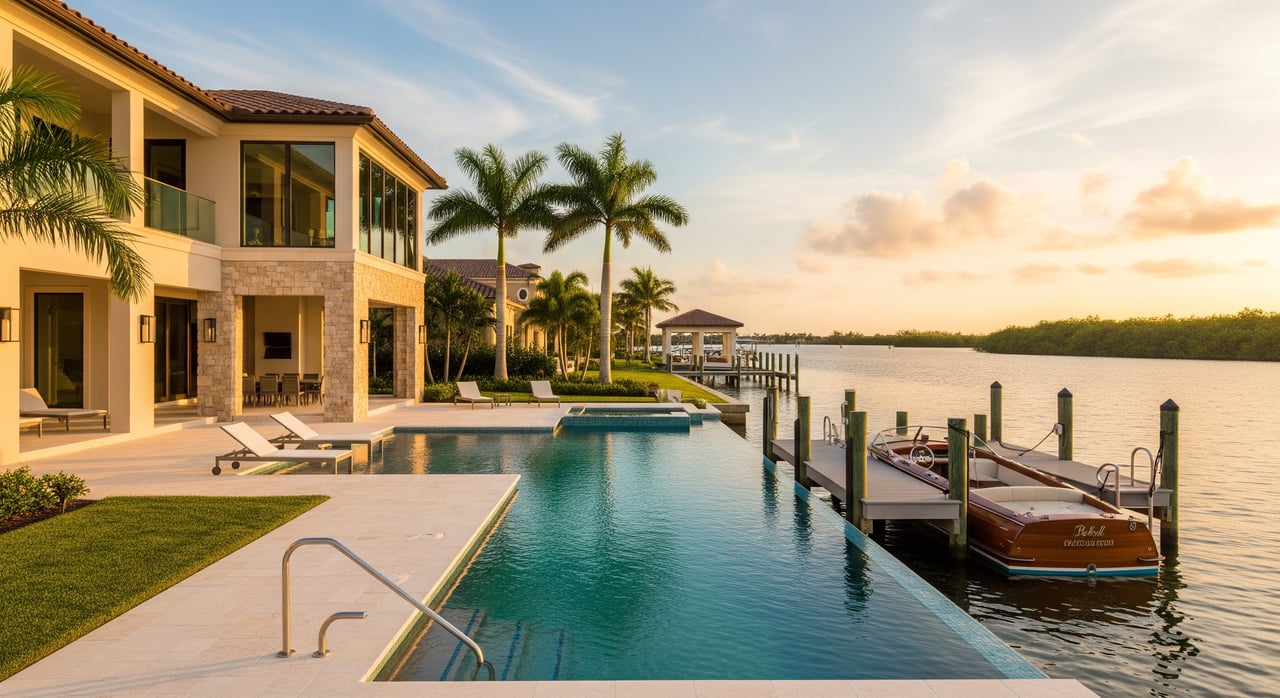
Waterfront living is a major draw on Marco Island, but it can carry big-ticket maintenance items. Responsibility varies by community.
- Condos may manage docks, boat slips, and bulkheads as common elements. Confirm whether usage is deeded, assigned, or leased, and what fees apply.
- Single-family homes may own and maintain their own seawall or dock, or these elements may be part of a separate marina or sub-association.
Key questions to ask:
- Who owns and maintains the seawall, dock, or lifts?
- What is the remaining life of the seawall and dock structures?
- Are there reserve funds set aside for marine work?
- Are there upcoming assessments for seawalls, docks, or bulkheads?
Local risk factors that drive costs
Marco Island is a barrier island with exposure to flood, storm surge, and wind. Plan for these cost drivers:
- Flood zones and elevation. Use the FEMA Flood Map Service Center to verify the flood zone. Ask for an Elevation Certificate when available to support insurance quotes.
- Insurance availability and cost. Coastal coverage may run through private carriers or Citizens. Review guidance via the Florida Office of Insurance Regulation and Citizens Property Insurance.
- Aging buildings. Older coastal condos can face capital projects such as roofs, balconies, elevators, parking structures, pool decks, and seawalls. Review engineering reports and board minutes for clues about timing and financing.
For property data, taxes, and records research, the Collier County Property Appraiser is a helpful reference.
Due diligence checklist before you buy
Ask for these items early in your search or within the statutory timeframe for disclosures:
- Condominium resale certificate or HOA estoppel package.
- Current budget and most recent year-end financials.
- Reserve study or capital plan and the last 3 to 5 years of special assessments.
- Master insurance policies, including wind and flood, plus deductible language.
- Minutes of the last 12 months of board meetings and notices of upcoming projects.
- Governing documents: declaration, bylaws, rules, architectural guidelines, rental and pet policies.
- Pending or threatened litigation disclosures.
- For waterfront properties: seawall and dock ownership, maintenance agreements, and rules; slip assignment lists and fees.
- Reserve fund balance and accounts receivable for unpaid owner assessments, if available.
Questions to ask the board or manager:
- Are any special assessments planned? Amount and timeline?
- What is the age and expected remaining life of major components like roof, elevators, HVAC systems, and seawalls?
- How are hurricane deductibles allocated to owners if a claim occurs?
- What are the rental rules, minimum lease terms, and occupancy limits?
- Who is responsible for seawall and dock maintenance?
- Is there ongoing or expected litigation that could affect finances?
You can also browse statewide consumer and regulatory resources at the Florida Legislature and the DBPR.
Budget planning: compare line by line
When you compare a condo and an HOA single-family home, map expenses side by side:
- Association dues each month.
- Property taxes.
- Insurance: HO-6 for condos or HO-3/HO-5 for HOA homes, plus flood insurance if required.
- Utilities and services. Some condos include water or basic cable in dues; verify specifics.
- Reserve contributions if not already included in dues.
- Parking, garage, storage, or dock fees.
- Maintenance not covered by the association. For HOA homes, plan for roof, exterior paint, driveway, and landscaping. For condos, budget for interior finishes, AC service if unit-owned, and appliances.
- Special assessment risk based on reserve strength and upcoming projects.
Rule of thumb: condos often have higher monthly dues but lower exterior maintenance. HOA homes may have lower dues and higher owner responsibility for the exterior and yard. The right choice depends on how hands-on you want to be and how you plan to use the property.
Which option fits a second-home or rental plan?
If you will be remote for long stretches, a condo can offer simplified maintenance and security, plus amenities that renters appreciate. If you value privacy, a yard, or the ability to customize, a single-family home in an HOA may be a better match. Your decision should line up with rental rules, insurance costs, and how much maintenance you want to manage.
How we guide Marco Island buyers
You deserve a clear, low-stress path to the right coastal home. With deep Southwest Florida experience and a concierge approach, we help you focus on the lifestyle you want while staying ahead of the details that matter on the island. Our team brings builder know-how, neighborhood insight, and a polished, process-driven experience so you can compare communities with confidence and move forward on the best fit.
Ready to see how specific communities stack up on fees, reserves, insurance, rental rules, and waterfront responsibilities? Connect with Mike & Kylie Fowler for a tailored comparison of HOA homes and condos on Marco Island.
FAQs
What is the main legal difference between HOAs and condos in Florida?
- Condominiums operate under Chapter 718 and HOAs under Chapter 720 of Florida statutes, which set distinct rules for disclosures, records, governance, and reserves.
Who insures what in a Marco Island condo versus an HOA home?
- Condo associations insure common elements and the building shell; owners carry an HO-6 for interiors. HOA homeowners usually insure the entire structure while the HOA insures only common areas.
How do hurricane deductibles affect owners in associations?
- Associations can carry large windstorm deductibles. Governing documents may allow boards to pass some deductible costs to owners after a covered event, so confirm the policy and past practice.
Are short-term rentals allowed on Marco Island?
- It depends on the association’s rules and local requirements. Verify minimum lease terms with the association and review county guidance and permitting on the Collier County website.
Who pays for seawall or dock repairs at a waterfront property?
- Responsibility depends on the deed and governing documents. A condo may treat these as common elements, while a single-family homeowner may own and maintain them individually. Always confirm in writing.