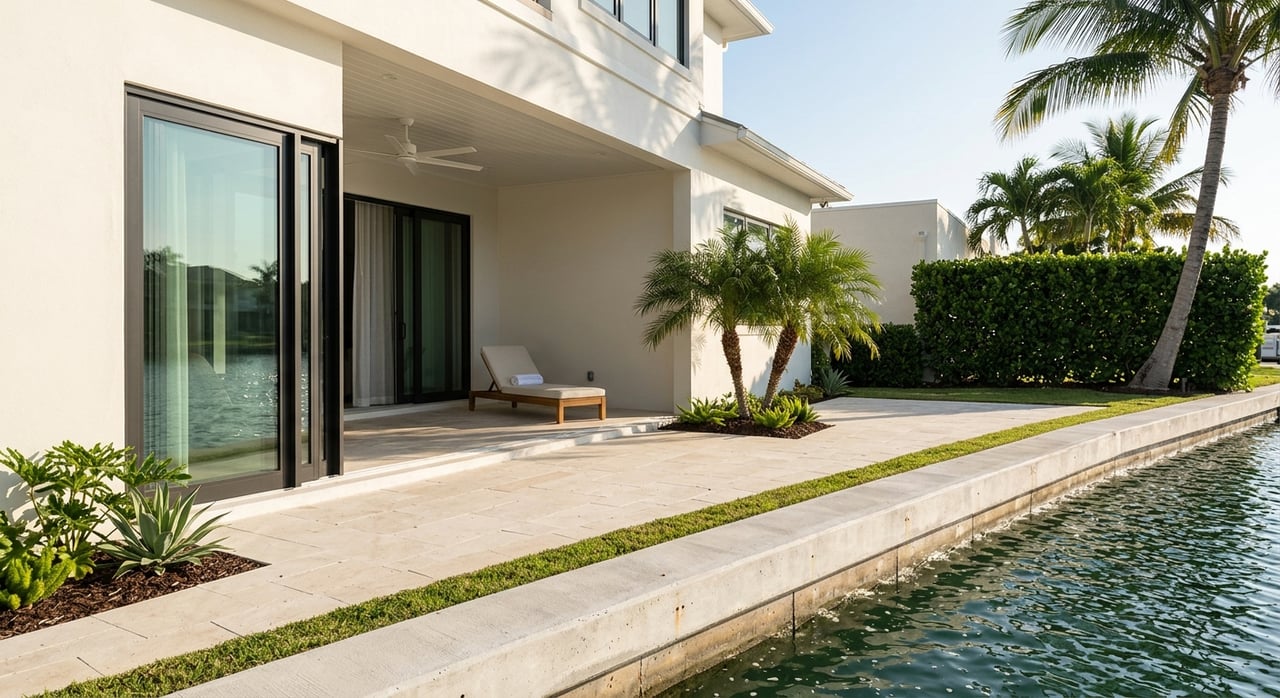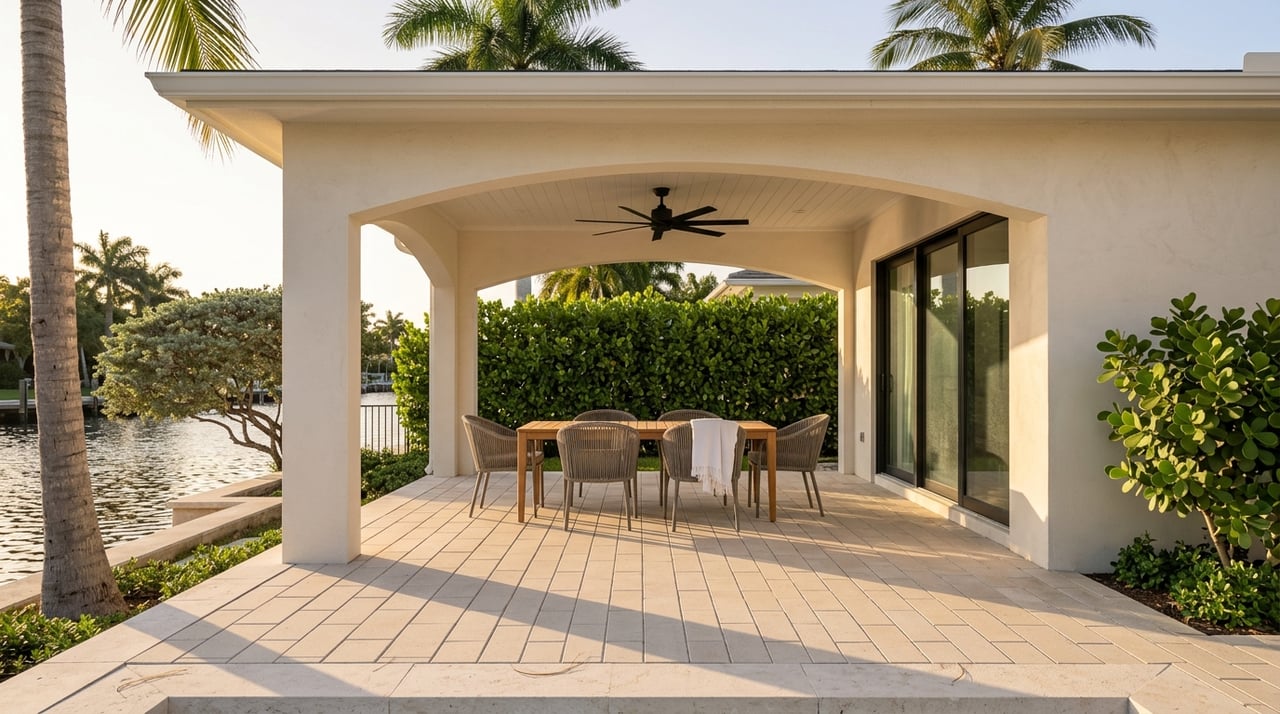
Wondering if Fort Myers riverfront living is all sunsets and boat days? It can be a great lifestyle fit, but the view is only part of the story. If you are thinking about buying along the Caloosahatchee, it helps to understand how location, property type, associations, permits, and flood risk can shape both your costs and your day-to-day experience. Let’s dive in.
Why Fort Myers Riverfront Living Appeals
Fort Myers riverfront living stands out because it blends waterfront access with a more walkable downtown experience. The downtown River District is known for river views, public art, coffee shops, seafood restaurants, galleries, and boutiques, which gives the area a lively but approachable feel.
Public spaces help reinforce that connection to the water. Centennial Park sits along the Caloosahatchee River and includes boat docks, a fishing pier, and a launching ramp. Riverside Park also offers a fishing pier and floating dock, which adds to the appeal for buyers who want regular access to the river, even beyond their own property.
For many buyers, that mix is the real draw. You are not just buying a home near the water. You are buying into a lifestyle that may include morning walks, downtown dining, and easy access to public waterfront amenities.
Riverfront Areas Buyers Often Compare
Not every riverfront purchase in Fort Myers looks the same. Some buyers focus on downtown properties, while others compare those options with nearby historic neighborhoods that offer a different ownership experience.
The City of Fort Myers identifies Downtown, Edison Park, Dean Park, and Seminole Park among its historic districts. Edison Park often comes up for buyers who want detached homes near the riverfront. The neighborhood association describes it as a historic area between US 41 and McGregor Boulevard, about a 20-minute walk to the River District, with mostly single-family homes and a smaller number of multi-family properties.
This comparison matters because downtown and nearby historic neighborhoods can come with different tradeoffs. A downtown condo may offer lower exterior maintenance responsibility and a more lock-and-leave setup, while a historic single-family home may offer more privacy and a different style of ownership.
Historic District Rules to Check Early
If you are considering a home in one of Fort Myers’ historic districts, renovation rules deserve early attention. The city’s planning department says historic preservation work is reviewed through Certificate of Review applications.
That means exterior changes may not be as simple as replacing a feature or updating the front of the home on your own timeline. If you expect to alter visible exterior elements, confirm the local review requirements before you buy. This step can help you avoid surprises after closing.
Why Association Documents Matter
On the riverfront, the association structure can affect your ownership experience almost as much as the location itself. Buyers may see condominium associations, homeowners’ associations, and some parcels with no association at all.
Under Florida law, HOA boards must keep meetings open to members, maintain official records for at least seven years, and provide access to those records within ten business days of a written request. Condo associations have broader disclosure obligations, and beginning January 1, 2026, certain larger condominium associations must post specified governing documents, budgets, financial reports, notices, bids, and inspection records online or through a mobile app.
For condos, Florida law also requires structural integrity reserve studies for buildings that are three habitable stories or higher. The law also sets rules around milestone inspection and reserve study information. For buyers, this means the document review process is not just paperwork. It is a key part of understanding future costs and building condition.
What to Review in the Association Packet
Before you commit, take a close look at the association packet. The goal is to understand both monthly costs and the possibility of future expenses.
Focus on these items:
- Current budget
- Reserve funding levels
- Insurance information
- Recent meeting minutes
- Pending or recently approved special assessments
- Inspection history, if applicable
- Rules related to rentals, pets, parking, boat use, and exterior changes
A beautiful view can lose some of its shine if a building has underfunded reserves or a major assessment on the horizon. A careful review helps you weigh value more clearly.
Docks and Seawalls Need Extra Attention
For waterfront homes, the dock and seawall are not side details. They are major ownership items that can affect usability, maintenance, and future repair costs.
In the City of Fort Myers, permits are required for marine docks, bulkheads or seawalls, and other building or site changes. The city also requires contractors pulling permits to be properly licensed. Because of that, the permit file is an important part of due diligence for any dock, lift, seawall, or shoreline repair work.
If you are buying a waterfront property, ask whether permits and final inspections are on file for past work. You should also ask about the age and condition of the dock, lift, and seawall, along with any repairs completed after recent storms.
Flood Zones Affect Cost and Planning
Flood risk should be reviewed on a parcel-by-parcel basis. In Lee County, flood zones help determine insurance rates and construction standards.
A and V zones are considered high-risk areas, and flood insurance is generally mandatory for federally backed mortgages in those zones. Properties in B/X and C/X zones still carry flood risk, so insurance is still recommended there. Within the city, plan review also includes flood-zone requirements and hurricane provisions.
For buyers, the practical takeaway is simple. Do not assume that being slightly farther from the water removes the issue. Check the flood zone, base flood elevation, and insurance quote for the specific property you are considering.
Maintenance Goes Beyond the House
Riverfront ownership can also mean keeping a close eye on drainage and stormwater issues. The City of Fort Myers notes that unmanaged stormwater runoff can increase flooding and ecological damage along Billy’s Creek and the Caloosahatchee River.
That context matters when you evaluate a property. Beyond the house itself, ask about site drainage, shoreline condition, and any recent storm-related work. A home can show beautifully during a tour while still carrying maintenance issues that deserve a closer look.
Comparing City and County Dock Rules
If you are comparing properties inside the city with nearby unincorporated Lee County riverfront lots, dock rules may differ. Lee County code defines a single-family dock in a natural waterbody as an accessory structure with no more than two slips per residence.
The county’s Manatee Protection Plan can also affect dock configurations. That is why buyers should confirm not only what exists today, but also what is actually permitted and whether dock rights transfer with the property.
Smart Questions to Ask Before You Buy
The strongest riverfront purchases usually come down to strong due diligence. A few focused questions can help you spot risks, clarify costs, and understand your flexibility as an owner.
Ask these questions early:
- Who owns and maintains the dock, seawall, lift, and any shared waterfront improvements?
- Are permits and final inspections on file for any dock, seawall, or remodeling work?
- Is the property part of a condo or HOA, and what do the governing documents say about rentals, pets, parking, boat use, and exterior changes?
- What do the current budgets, reserve contributions, insurance policies, recent meeting minutes, and any pending or recently approved special assessments show?
- Has the building had a reserve study or milestone inspection, and are any repairs or financing implications still unresolved?
- What flood zone, base flood elevation, and insurance quote apply to this specific parcel?
- If the home is in a historic district, does the city require a Certificate of Review for the changes you expect to make?
- How many slips are permitted, and do the dock rights transfer with the property?
The Bottom Line on Fort Myers Riverfront Living
Fort Myers riverfront living can offer a compelling mix of waterfront access, downtown convenience, and historic neighborhood character. For the right buyer, it can be a lifestyle move as much as a real estate move.
The key is to look beyond the view. When you understand the association structure, review permit history, verify flood-related costs, and ask the right questions about docks, seawalls, and historic district rules, you can make a more confident decision.
If you want local guidance as you compare riverfront condos, historic homes, or other waterfront opportunities in Fort Myers, Mike & Kylie Fowler can help you navigate the details with a thoughtful, high-touch approach.
FAQs
What makes Fort Myers riverfront living appealing to buyers?
- Fort Myers riverfront living appeals to many buyers because it combines Caloosahatchee River views, public waterfront access, and a walkable downtown area with shops, restaurants, galleries, and parks.
What Fort Myers neighborhoods do riverfront buyers often compare?
- Buyers often compare downtown properties with nearby historic districts such as Edison Park, where ownership profiles, home styles, and renovation rules can differ.
What should buyers know about historic district homes in Fort Myers?
- If a home is in a historic district, exterior changes may require city review through a Certificate of Review application, so you should confirm those requirements before buying.
What association documents matter for Fort Myers riverfront condos?
- Buyers should review budgets, reserves, insurance information, meeting minutes, inspection records if applicable, and any pending or recent special assessments because these can affect total ownership cost.
What should buyers check about docks and seawalls in Fort Myers?
- Buyers should confirm ownership, maintenance responsibility, permit history, final inspections, condition, age, and whether any repairs were completed after storms.
What flood zone questions matter for a Fort Myers riverfront property?
- You should check the property’s flood zone, base flood elevation, and insurance quote because flood risk and insurance costs can vary from parcel to parcel.
What should buyers know about dock rules in Lee County near Fort Myers?
- For nearby unincorporated Lee County properties, dock configurations may be limited by county code and the Manatee Protection Plan, so buyers should verify what is permitted and whether dock rights transfer with the sale.