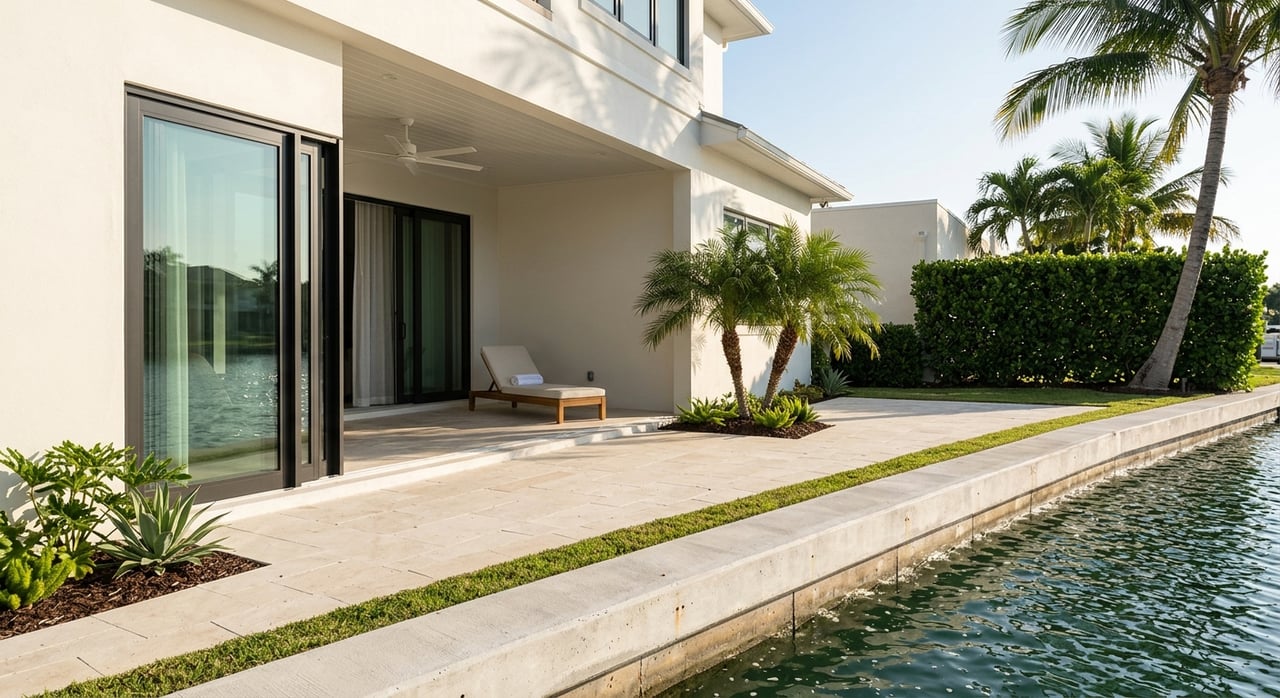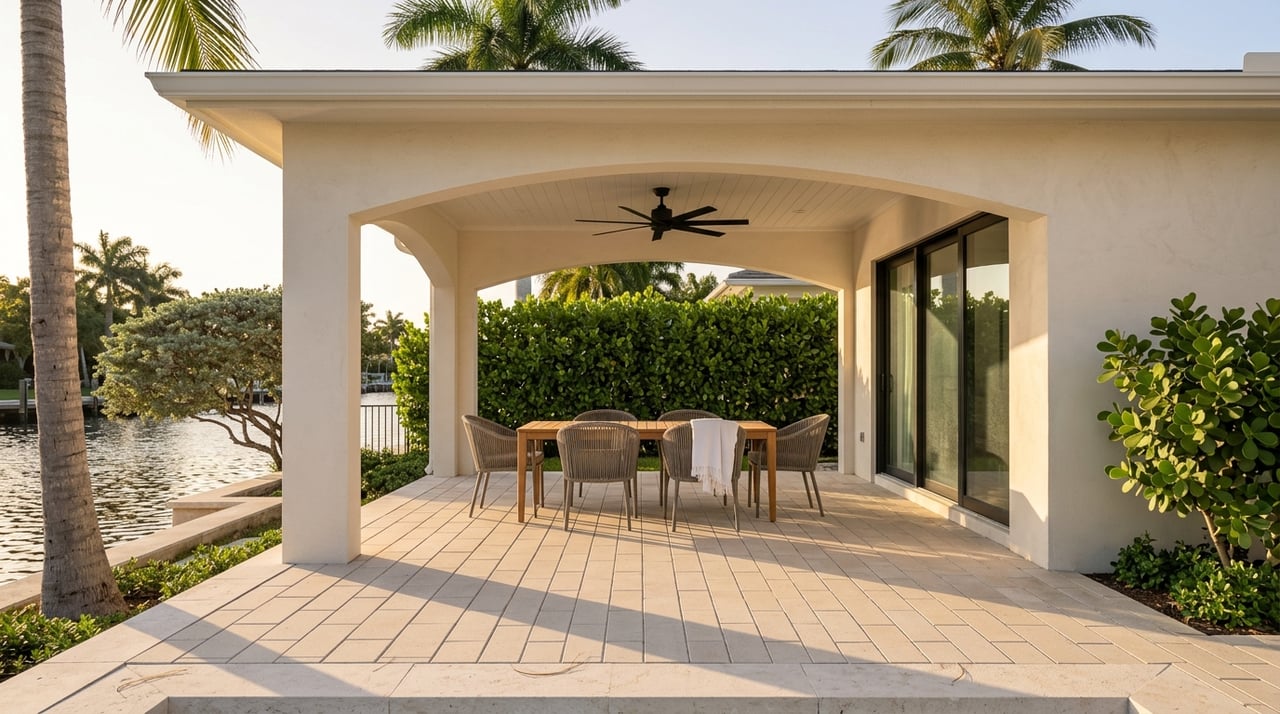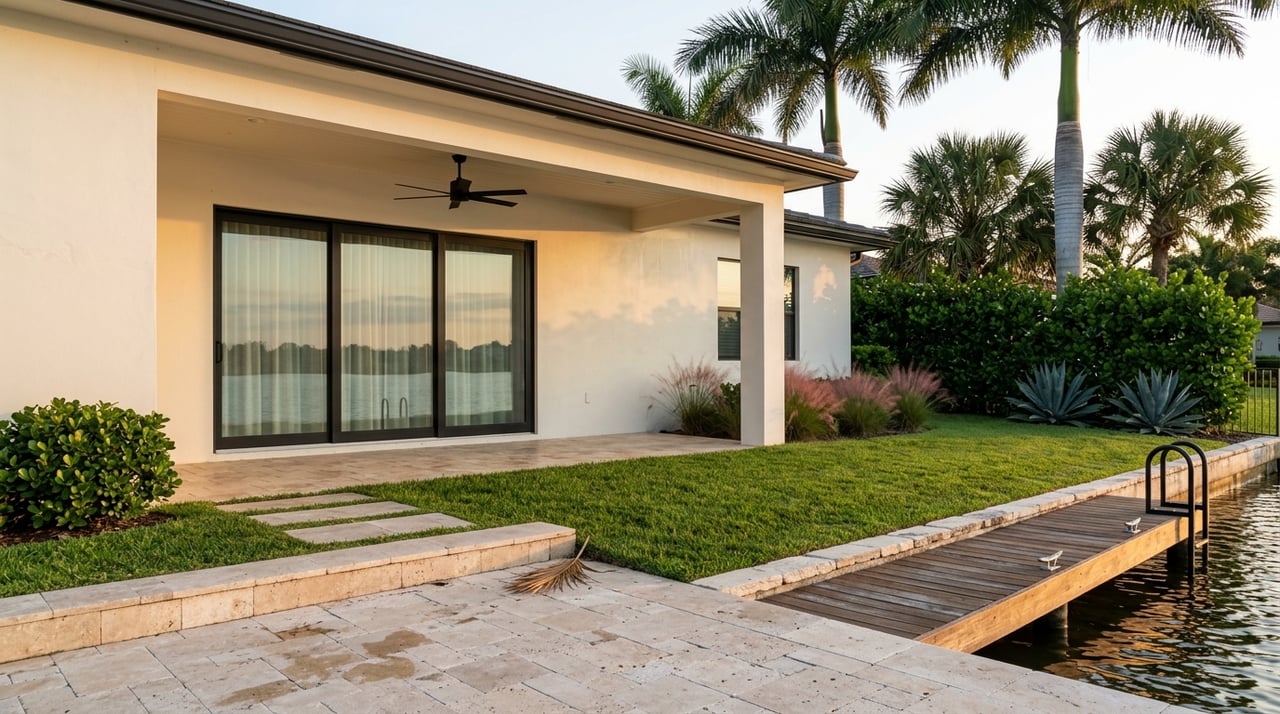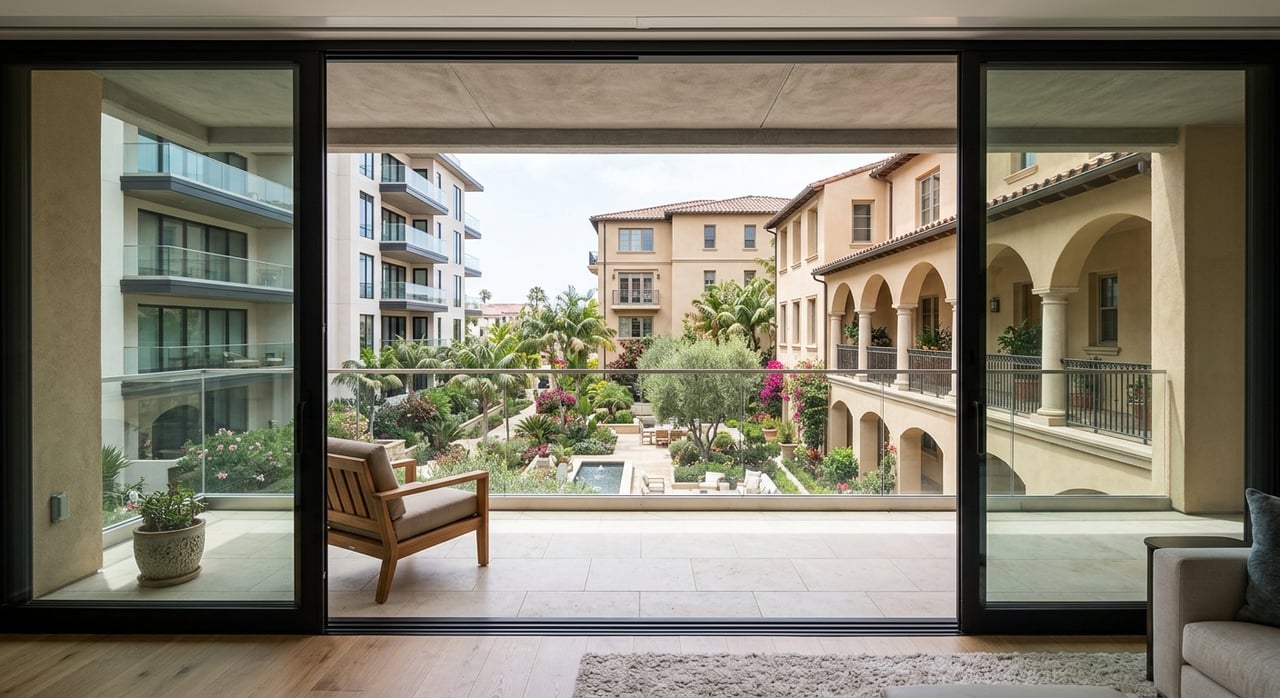
Wondering whether a Naples luxury condo should put you high above the Gulf or closer to the ground in a quieter community setting? It is a common choice, and it is about much more than views alone. If you are comparing coastal towers with lower-rise buildings in golf or master-planned communities, this guide will help you weigh lifestyle, fees, inspections, insurance, and resale factors so you can buy with more confidence. Let’s dive in.
What High-Rise vs. Low-Rise Really Means
In Naples, buyers often frame this choice as coastal high-rise living versus low-rise living in golf or master-planned communities. High-rises are often associated with broad water views, skyline sunsets, and a more service-driven experience. Low-rises are often chosen for a quieter feel, easier access, and fewer shared building systems.
There is also an important legal and practical line in Florida. Once a condominium building reaches three habitable stories or more, state milestone inspection and structural integrity reserve rules become a much bigger part of the buying decision. That means your condo search should include both lifestyle goals and building-level due diligence.
Why Many Buyers Choose High-Rises
For many Naples luxury buyers, the draw of a high-rise starts with the view. Upper floors can offer wider water vistas, more privacy from street-level activity, and the kind of sunset backdrop that defines coastal living. If your dream condo is tied to a dramatic outlook, a tower may naturally rise to the top of your list.
High-rises also tend to deliver a more service-oriented environment. Depending on the building, that can include features such as valet, concierge-style services, or other hotel-like touches. The key is to confirm what is actually included in the association structure and what may be optional or billed separately.
That said, more shared services often means more shared systems to maintain. Elevators, larger lobbies, extensive common areas, and more complex building infrastructure can all affect budgets, reserve planning, and future assessments. In other words, a tower lifestyle can be very appealing, but it should be matched with a clear understanding of the building’s financial health.
Why Many Buyers Prefer Low-Rises
Low-rise condos often appeal to buyers who want a luxury property with a simpler daily rhythm. You may have easier in-and-out access, less dependence on elevators, and a more intimate building feel. In Naples, this often overlaps with golf communities and master-planned neighborhoods where the condo is just one part of a broader lifestyle package.
A lower-rise building may also involve fewer major shared systems than a large coastal tower. That does not automatically mean lower ownership costs, but it can mean a different maintenance profile. For some buyers, that trade-off feels more comfortable, especially if they value convenience and a quieter environment over panoramic height.
It is also worth noting that buildings under three stories are outside the specific Florida structural integrity reserve study paragraph discussed below. That does not remove the need for due diligence, but it can change which state-level building rules are central to your review.
Monthly Fees Matter More Than the Number
One of the biggest mistakes luxury condo buyers make is looking at monthly fees as a stand-alone number. In Florida, the association is generally responsible for maintaining, repairing, and replacing common elements, while some limited common elements may be assigned differently under the declaration. That means your fees are really paying for a package of obligations, services, and risk management.
A higher monthly fee is not automatically a negative. In a Naples high-rise, it may reflect more staffing, more amenities, more insurance expense, or stronger reserve funding. In a low-rise, the fee structure may look leaner, but you still need to know exactly what is covered and what might lead to extra out-of-pocket costs later.
As you compare options, ask for a simple breakdown of:
- What the monthly fee includes
- What is billed separately
- Whether insurance costs are built into the budget
- Whether amenities or memberships are included, optional, or separate
- Whether there are any pending or expected special assessments
The Biggest Practical Difference in Florida
If you are shopping high-rises in Naples, the most important difference may be state compliance, not just building height. Florida milestone inspections apply to residential condominium buildings that are three habitable stories or more. The first inspection is due by December 31 of the year the building reaches 30 years of age, and local enforcement may require it at 25 years in some conditions, including proximity to salt water.
That matters in coastal Naples, where salt air and waterfront exposure are part of the lifestyle. An older tower with strong views can still be a smart buy, but only if the building has kept up with inspections, maintenance, and repairs. A beautiful unit does not cancel out larger building issues.
Florida also requires Structural Integrity Reserve Studies, or SIRS, for condo buildings that are three habitable stories or higher. These studies must be completed at least every 10 years and cover major items such as the roof, structure, fire protection systems, plumbing, electrical systems, waterproofing and exterior painting, and windows and exterior doors, along with other major deferred-maintenance items above the statutory threshold.
How Inspections and Reserves Affect Your Decision
For buyers, inspection and reserve rules are not abstract paperwork. They can directly affect ownership costs, financing, and future resale. Florida’s reserve funding rules are now tighter for associations that must obtain a SIRS, and for budgets adopted on or after December 31, 2024, those associations generally may not waive or underfund required reserves except in narrow circumstances tied to repairs recommended by a milestone inspection.
That means some buildings may be in a transition period. A well-run high-rise may have already adjusted its budget and reserve strategy in a way that supports long-term stability. Another building may still be catching up, which could increase the chance of fee changes or special assessments.
This is one reason a well-funded high-rise can be a stronger buy than a visually attractive building with deferred maintenance. It is also why some buyers find comfort in certain low-rise options where the building systems and compliance profile may be less complex.
Naples Coastal Risk and Insurance Questions
In Collier County, flood planning matters. The county participates in the National Flood Insurance Program and notes that standard homeowners policies generally do not cover flood loss. The county also notes that flood insurance is available for condominiums, and coastal barrier islands, bays, and estuarine coastline can experience temporary flooding.
For a luxury condo buyer, this means insurance should be part of your building review, especially near the coast. Florida law allows associations to obtain flood insurance for common elements, association property, and units, and property insurance must be based on replacement cost determined at least once every 36 months.
When comparing a coastal high-rise to a low-rise inland or in a golf community, ask specific questions about:
- Wind coverage
- Flood coverage
- Deductibles
- Replacement-cost assumptions
- How insurance costs are allocated through the association budget
An impressive amenity package can lose some shine if the insurance structure is weak or unexpectedly expensive.
Resale and Financing Can Differ by Building
Not all luxury condos are equally easy to finance or resell. Lender project standards can become an issue when a condo association has insufficient master property insurance or critical repair issues. Projects with unresolved major repairs may face financing hurdles until the work is completed.
In practical terms, this means an older Naples high-rise with deferred maintenance, recent special assessments, or unresolved inspection-related repairs may face more friction than a well-maintained low-rise. Even if the unit itself shows beautifully, the building’s condition and financial setup can shape a buyer’s loan options and future resale pool.
This does not mean high-rises are the riskier choice by default. It means the specific building matters more than the category alone. A well-managed tower can be an excellent long-term fit, while a weakly run low-rise can still create headaches.
Questions to Ask Before You Buy
If you want to compare high-rise and low-rise options clearly, start with a focused list of questions. Florida law gives prospective buyers access to important association documents and disclosures, so use that opportunity to verify what you are being told.
Ask these questions before you commit:
- When was the last milestone inspection, and is the inspector-prepared summary available?
- Is there a current SIRS, and which components are included in the reserve plan?
- Are any special assessments pending or expected?
- What do the monthly fees include, and what is billed separately?
- Do the declaration and rules limit rentals, pets, parking, storage, guests, or amenity use?
- Is the project financeable under conventional lending standards?
- Are beach access, dock, marina, concierge, valet, shuttle, or club privileges included, optional, or separate?
These answers can tell you far more than a listing description ever will.
Records You Should Review Carefully
Florida law requires associations to keep important records, including plans, permits, warranties, audits, structural integrity reserve studies, financial reports, and contracts. Associations must make records available to a unit owner within 10 working days after a written request, and prospective purchasers are entitled to receive key documents such as the declaration, bylaws, rules, annual financial statement and budget, milestone summary if applicable, and the most recent SIRS or a statement that none exists.
This paper trail is one of your best tools in a Naples condo purchase. It helps you look beyond finishes and views to understand how the building is being run. In a luxury market, that level of clarity can protect both your lifestyle and your investment.
So, Which Naples Luxury Condo Is Right for You?
If your top priorities are sweeping water views, elevated privacy, and a more service-driven experience, a Naples high-rise may be the better fit. If you prefer easier daily access, a quieter atmosphere, or a lifestyle centered around golf or a master-planned community, a low-rise may make more sense.
The smartest choice usually comes down to matching your lifestyle with the building’s real-world fundamentals. In Naples, that means weighing views and amenities alongside inspections, reserve funding, insurance, and resale ease. When you compare both the experience and the building health, you are far more likely to choose a condo you will feel good about for years to come.
If you want local guidance on Naples luxury condos, from coastal towers to golf-community residences, connect with Mike & Kylie Fowler for a thoughtful, neighborhood-first approach to your search.
FAQs
What is the main difference between a high-rise and low-rise condo in Naples?
- In Naples, the biggest difference is usually the balance between views, privacy, services, building complexity, and long-term resale or financing friction rather than height alone.
Why do Florida condo inspection rules matter for Naples high-rises?
- Florida milestone inspection and structural integrity reserve study rules become central when a condominium building is three habitable stories or more, which can affect costs, maintenance planning, and resale confidence.
What should monthly condo fees cover in a Naples luxury condo?
- Monthly fees may cover common-element maintenance, repair, replacement obligations, insurance-related costs, staffing, amenities, and other shared services, so you should review what is included instead of judging the fee by size alone.
Are low-rise condos in Naples always easier to own than high-rises?
- Not always, but low-rises often appeal to buyers who want easier access, a quieter feel, and fewer shared building systems, while each specific association still needs careful review.
What documents should a Naples condo buyer request from the association?
- A buyer should request the declaration, bylaws, rules, annual financial statement and budget, milestone inspection summary if applicable, the most recent SIRS or a statement that none exists, and details on any assessments or major repairs.
How does insurance affect a Naples coastal condo purchase?
- In Collier County, standard homeowners policies generally do not cover flood loss, so buyers should ask how the association handles flood and wind coverage, deductibles, and insurance costs within the budget.