What does a typical day on Marco Island actually feel like? If you are dreaming about a coastal home here, the answer is not just "close to the beach." It is a rhythm built around shoreline mornings, time on the water, and relaxed waterfront dinners that stretch into sunset. If you want to picture how daily life fits different property types, this guide will walk you through it. Let’s dive in.
Why Marco Island Feels Different
Marco Island is a true water-first community. According to city information, the island includes 6 miles of beach, more than 100 miles of waterways, extensive canals, and 14 bridges.
That layout shapes how you live here. Your day can move naturally from a beach walk to a boat ride to dinner on the water, often without ever feeling far from home. On Marco Island, the beach, the dock, and the dining scene are all part of the same lifestyle.
Start the Morning at the Beach
A Marco Island morning often begins with a simple choice: do you want a straightforward beach stop or a more nature-focused beach outing? The island’s two main public access points make that easy.
South Marco Beach Basics
South Marco Beach offers a more direct beach routine. The city notes that it has 70 parking spaces, restrooms, and a sunrise-to-sundown schedule, with paid parking or permit requirements.
If you picture yourself walking out early with coffee, a beach chair, and a towel, this kind of setup is easy to appreciate. It fits buyers who want convenient access to the sand without a lot of extra planning.
Tigertail Beach Experience
Tigertail Beach offers a different kind of morning. County-operated amenities include a bath house, five boardwalks, restrooms, concessions, rentals, and 226 regular parking spaces plus 6 handicap spaces.
This setting feels more like an outing you can stretch into a longer beach day. If you enjoy a morning that blends walking, wildlife viewing, and time on the shore, Tigertail gives you more ways to do that.
Beach Rules Shape Daily Life
Marco Island beach life also comes with real stewardship. The city says the beaches support shorebird nesting and sea turtle nesting, with shorebird nesting season running from March 1 to September 1 and sea turtle nesting season from May 1 to October 31.
Beach rules prohibit glass containers, open fires, camping, bikes, motor vehicles, and pets on the beach except service dogs. The city also asks for lights out or shaded by 9:00 p.m. and notes that live shell collection is prohibited without proper permission.
These details matter because they reflect what life here is really like. Enjoying Marco Island means sharing the shoreline responsibly and understanding the rhythms that protect it.
Beach Mornings and Condo Living
If beach access is your top priority, a condo or resort condo can be a natural fit. For many seasonal buyers and frequent travelers, a low-maintenance home base near the shoreline makes it easier to enjoy spontaneous beach mornings and waterfront dinners.
That lifestyle can be especially appealing if you want to lock up and leave without taking on the upkeep of a larger property. On an island where public beach access helps define the routine, convenience often becomes part of the value.
Midday Means Time on the Water
On Marco Island, boating is not just a weekend hobby. City materials describe the island as a beach and canal community where water-related activity is central to the residential and resort experience.
That shows up in the physical layout of daily life. The city’s safe boating information notes that many boaters pass under one, two, or even three bridges before reaching the Marco River or the Gulf of Mexico.
In other words, boating here is built into the island experience. Even a short afternoon ride can feel like part of your normal routine rather than a special event.
Explore the Ten Thousand Islands
A classic Marco Island afternoon often heads toward the backwaters. Visitor information highlights guided trips into the Ten Thousand Islands, Keewaydin Island, White Horse Key, and other remote barrier-island areas.
These outings commonly center on shelling, dolphin sightings, manatees, birds, and quiet stretches of coastal scenery. It is an easy way to understand why so many buyers are drawn to homes that keep them closely connected to the water.
Boating Is a Lifestyle, Not a Bonus
The appeal of boating on Marco Island is not only the destination. It is also the ease of weaving water access into your day.
You might start with a beach walk, head out for a half-day eco-tour or shelling trip, and still be back in time for sunset dinner. That flow is one of the clearest examples of how Marco Island lifestyle and real estate are closely tied together.
Boating Afternoons and Canal-Front Homes
If your ideal day includes regular time on the water, a single-family home or canal-front property may make more sense than a beach-focused condo. Marco Island’s dredge-and-fill history, extensive canal system, and network of bridges help explain why canal-side living is such a natural part of the market.
Single-Family Homes for Flexibility
A single-family home can be a strong fit if you want more room and a little more day-to-day flexibility. For full-time residents especially, having space for guests, gear, and a more established home routine can make a big difference.
You still stay connected to the island’s water-centered lifestyle, but with a layout that may better support everyday living. That can be ideal if you split your time between home, beach outings, and boating.
Waterfront Homes for Direct Access
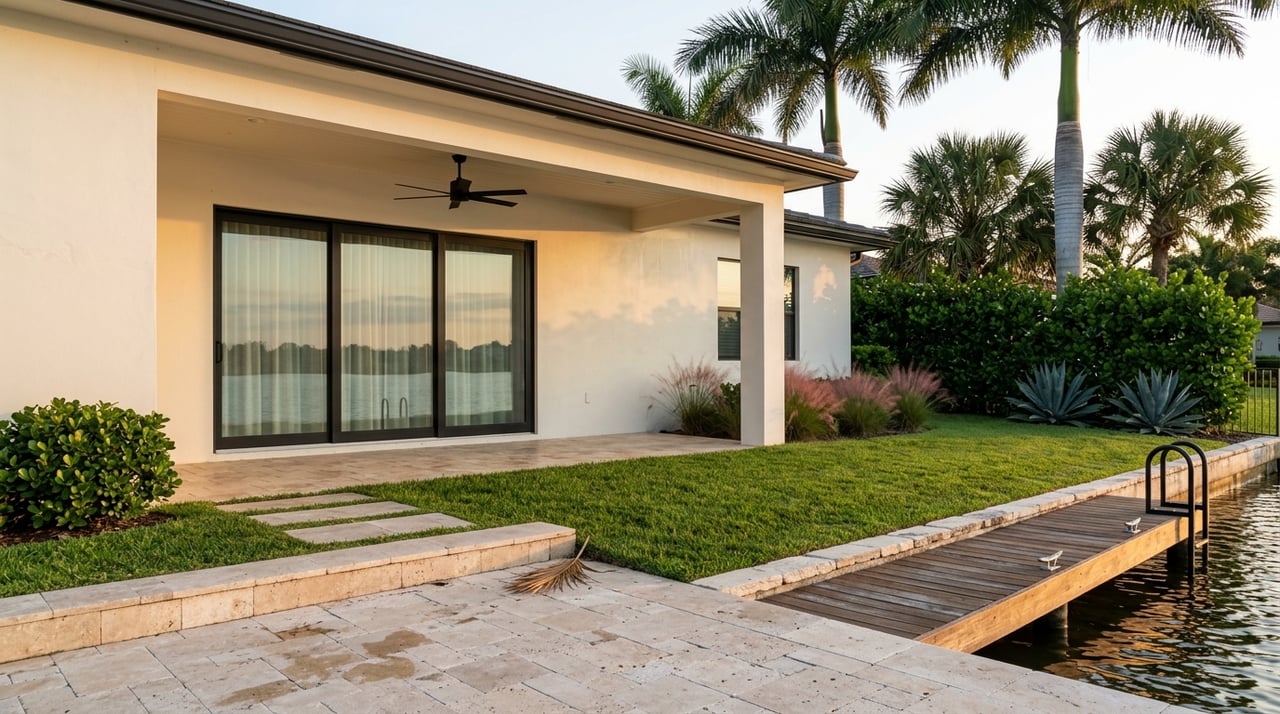
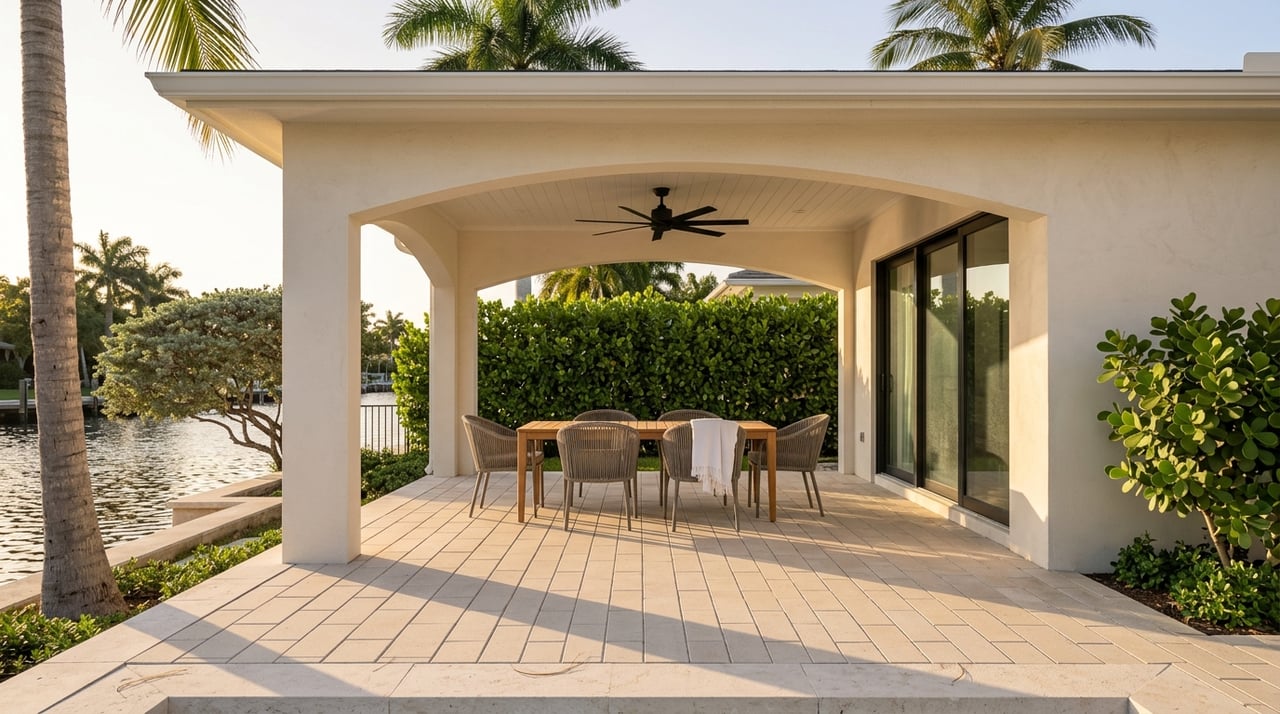
If boating is central to how you want to live, a waterfront estate or canal-front home may be the best match. These properties offer the strongest connection to direct boating access and outdoor entertaining.
City documents also show that boat dock use, boat docking facilities, and boat lift use are part of the permitting conversation on Marco Island. That means the lifestyle benefits are significant, but it is important to understand the rules and property-specific details before you buy.
End the Day with Waterfront Dining
By late afternoon, Marco Island’s pace naturally shifts toward the waterfront dining scene. Visitor information describes options that range from major resort restaurants to stand-alone dockside spots and tiki bars.
Some locations welcome guests arriving by boat, while others are easy to enjoy by car or on foot. Across the island, seafood, tropical drinks, and sunset views help define the evening atmosphere.
Casual to Celebratory Options
Marco Island’s waterfront dining can fit different moods. Some nights may call for a relaxed dockside setting, while others feel right for a more polished resort restaurant.
Visitor information highlights spots such as Sale e Pepe, Mango’s Dockside Bistro, Paradise Found, Dolphin Tiki Bar & Grill, Little Bar Restaurant, and Sunset Grille. Together, they support an evening routine that feels both easygoing and elevated.
Dining and Resort-Adjacent Living
If dining out and walkable convenience matter to you, resort-adjacent condos can be especially appealing. They can place you closer to beach access and evening options without asking you to manage a larger property.
For some buyers, that is the sweet spot. You get the energy of the island’s social and waterfront scene while keeping ownership more streamlined.
Which Home Fits Your Marco Island Day?
The right property often comes down to how you want your days to unfold. On Marco Island, your home should support the routine you want most.
Best fit by lifestyle
- Condo or resort condo: Great for seasonal owners and frequent travelers who want low-maintenance living near beach access and waterfront dining.
- Single-family home: A strong option for full-time residents who want more space and flexibility while staying close to the water.
- Waterfront estate or canal-front home: Best for buyers who want direct boating access, outdoor entertaining, and a stronger connection to the island’s canal lifestyle.
When you think about your ideal Marco Island home, it helps to picture a real day, not just a floor plan. The best fit is the one that makes your favorite parts of island life feel easy and natural.
Why Lifestyle Match Matters
Buying on Marco Island is about more than choosing a home style. It is about choosing how you want to spend your mornings, afternoons, and evenings.
If you are drawn to early beach walks, low-maintenance condo living may fit best. If you imagine afternoons on the boat, canal-front living may be worth a closer look. If sunset dinners and convenience top your list, being near the waterfront dining scene can shape your search in a meaningful way.
That is where local guidance matters. When you understand how the island’s beaches, waterways, and dining patterns connect to different property types, you can make a more confident decision.
If you are thinking about buying or selling on Marco Island, Mike & Kylie Fowler can help you find the property that fits the way you want to live in Southwest Florida.
FAQs
What is daily life on Marco Island centered around?
- Daily life on Marco Island often revolves around its water-first setting, with time split between the beach, boating, canals, and waterfront dining.
What are the main public beach access points on Marco Island?
- Marco Island’s two main public beach access points are South Marco Beach and Tigertail Beach, each offering different parking and amenity experiences.
What should buyers know about Marco Island beach rules?
- Buyers should know that Marco Island beaches have rules related to wildlife protection, lighting, pets, vehicles, fires, glass containers, and live shell collection.
What kind of home is best for beach-focused living on Marco Island?
- A condo or resort condo can be a strong fit if you want low-maintenance living with convenient access to the beach and nearby dining.
What kind of home is best for boating on Marco Island?
- A canal-front home or waterfront estate is often the best fit for buyers who want direct boating access and a stronger connection to the island’s waterways.
Why do Marco Island waterways matter to homebuyers?
- The waterways matter because Marco Island has extensive canals, more than 100 miles of waterways, and boating routes shaped by multiple bridges, making water access part of everyday life.