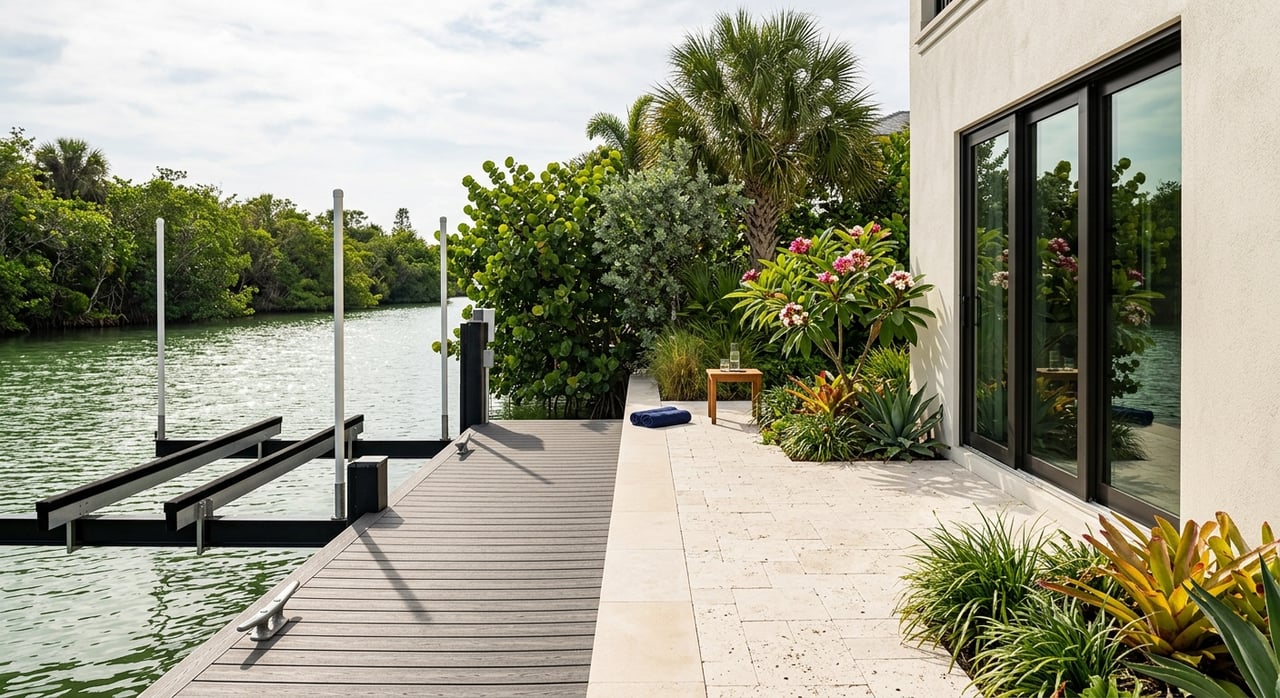
If you are shopping for waterfront property on Marco Island, the view is only part of the story. A beautiful canal or bay setting can come with important questions about seawall condition, dock layout, bridge clearance, and how easily you can actually reach the Gulf. Knowing what to check before you buy can help you avoid surprises and choose a property that truly fits your boating lifestyle. Let’s dive in.
Why Waterfront Due Diligence Matters
Marco Island is built around the water. The City describes the island as having 22 miles of shoreline, six large bays, the Marco River, three creeks, two small islands, and 290 canals.
That setting is a big reason buyers love Marco Island, but it also means waterfront homes need a closer look than many inland properties. On this island, details like canal width, seawall age, and bridge height can directly affect how you use the property.
The City also notes that many of the original seawalls were designed for a 30-year life and are now at or beyond that useful lifespan. For you as a buyer, that makes seawall review one of the most important parts of waterfront due diligence.
Seawalls: What You Need to Check
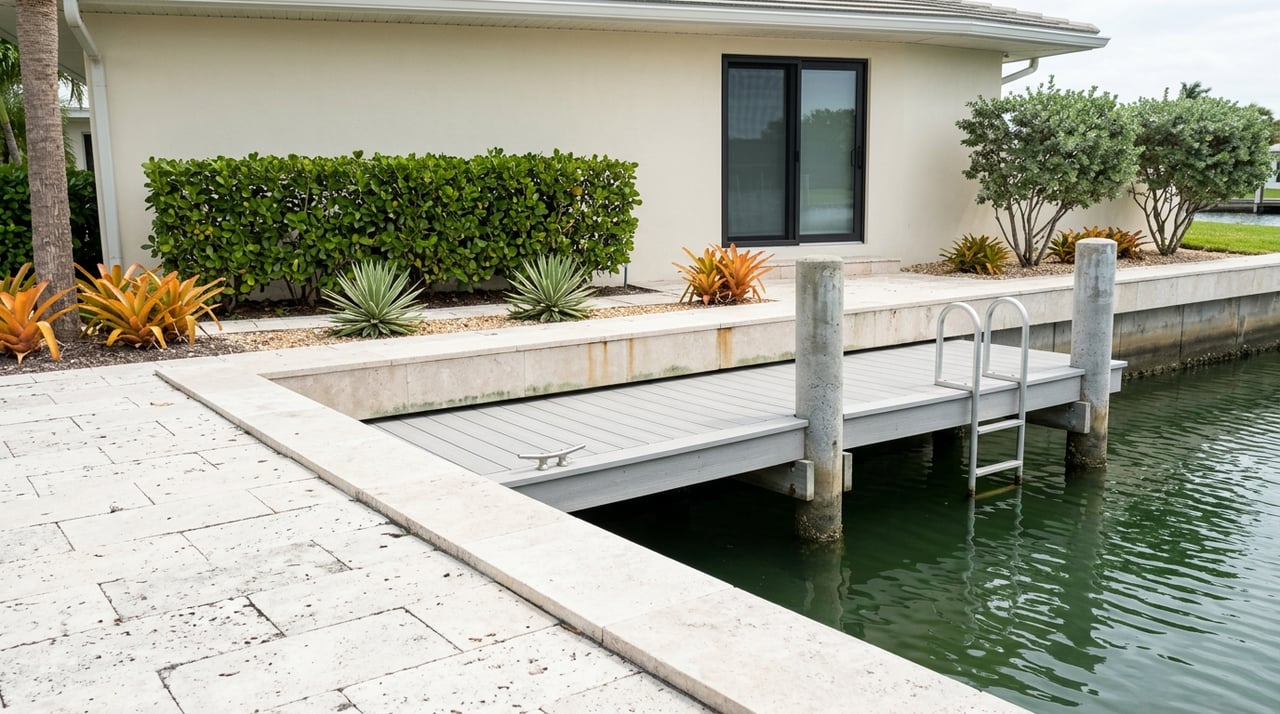
A seawall is not just the concrete edge you see from the backyard. According to the City’s seawall manual, it often includes panels or sheet piling, a cap, tie-back rods, and drainage features such as weep holes and French drains.
That matters because a wall can look fine at first glance while hidden components are aging or failing. A general home inspection may not fully evaluate those marine-specific elements.
Common Seawall Warning Signs
Before you make an offer, watch for visible signs that may point to larger issues. The City identifies several red flags to take seriously.
- Joint separation
- Sinkholes on the land side
- Rust marks
- Cap deterioration
- Sagging or tilting panels
- Backfill settlement
- Toe or berm loss
Boat wake and wave action can also contribute to berm failure. That is one reason idle-speed and no-wake rules in Marco Island canals matter in everyday waterfront use.
Why a Marine Engineer Matters
If you are serious about a waterfront home, ask whether the seawall has been inspected recently by a marine engineer. The City specifically recommends a professional evaluation before buying waterfront property.
This is especially important if you are considering an older home or a vacant lot. The City’s manual says vacant lots should have the seawall evaluated immediately, with rebuilding completed as needed before development.
What Repairs or Replacement Can Involve
If a seawall needs major work, the process is more involved than a simple contractor quote. The City requires engineered plans sealed by a Florida professional engineer, along with a survey showing the wall relative to adjacent walls or mean high water.
Separate permits may also be required for related dock, lift, electric, and plumbing work. In practical terms, that means timing and cost can extend beyond the wall itself.
Docks: Why One Waterfront Lot Can Differ From Another
Many buyers assume that if two homes are both on the water, they should offer similar dock options. On Marco Island, that is not always the case.
Recent City staff reports show that dock reviews are highly site-specific. Factors can include water depth, navigation impact, view impact, and whether the proposed layout is the minimum necessary to secure the vessel while preserving routine access and maintenance.
Water Depth and Navigation Space
One City staff report treated four feet of mean low water as a general guide for sufficient depth. Other reports emphasized that docks and moored vessels should not protrude more than 25 percent of the navigable waterway width and should leave more than 50 percent of the width open for navigation.
For you, that means a dock that works well on one canal may not be allowed or practical on another. Water depth and available maneuvering room can change what is possible.
Lot Position Can Change Dock Rules
Lot layout matters more than many buyers expect. A corner lot, shoulder lot, or lot on a wider or narrower waterway may be reviewed under different setback and measurement standards.
In one corner-lot case, the City required 15-foot side riparian setbacks on both sides. City code excerpts also show that protrusion is usually measured from the seawall face, but on shoulder lots it is measured from the property line, while waterway width is defined by the recorded plat.
The simple takeaway is this: two waterfront homes may sound similar in a listing, but their actual dock envelopes can be very different. The survey, plat, and lot position all matter.
Gulf Access: Distance Is Only Part of the Story
For many buyers, “Gulf access” sounds simple. In reality, how usable that access feels day to day depends on more than how close the home is to open water.
Marco Island’s boating guidance says many boaters must pass under one, two, or even three bridges before reaching the Marco River or the Gulf of Mexico. The City also publishes approximate bridge clearances at mean high water for fourteen bridges.
Why Bridge Clearance Matters
Your boat’s air draft can be just as important as canal location. A home may be on a desirable canal, but if your vessel cannot clear the route, the property may not function the way you hoped.
The City’s bridge survey shows how much clearances can vary. For example, North Collier Boulevard over Clam Bay and Goldenrod Avenue over Goldenrod Waterway are each about 3 feet, South Seas Court over Tidal Canal is about 3.44 feet, Barfield Drive over Marco River Inlet is about 10.34 feet, and the southbound and northbound Collier Boulevard bridges over Smokehouse Bay are about 14.30 and 14.44 feet.
The City states these figures are informational and should be used as a navigation guide. Even so, they are a very useful starting point when matching a boat to a property.
Travel Time Is About More Than Miles
A property may look close to open water on a map, but the real boating experience can be different. Idle-speed and no-wake zones in interior waterways, canals, bays, and beach areas can affect how long it takes to get out.
Bridge clearance, route geometry, and wake zones all shape daily usability. If boating is central to your lifestyle, this is worth reviewing before you fall in love with a specific address.
Smart Questions to Ask Before You Make an Offer
A waterfront showing should lead to more than a quick look at the view and dock. The right questions can help you understand both current condition and future options.
Here are some of the most valuable questions to ask:
- What is the seawall’s age, repair history, and current condition?
- Has the seawall been inspected recently by a marine engineer?
- Does the current dock have the needed approvals?
- If you want to change the dock, will you need a dock-extension review?
- What are the water depth and navigational limits at this specific site?
- Can your boat clear every bridge on the route to open water?
- Is the home in a Special Flood Hazard Area?
- Is an Elevation Certificate available?
- If you want to modify docks or lifts, are there added approvals or environmental requirements?
These questions can help you move beyond marketing language and understand how the property works in real life.
Floodplain Review Is Part of the Picture
Waterfront due diligence on Marco Island also includes floodplain review. The City says all structures on Marco Island are subject to floodplain review, and that AE and VE zones apply.
The City also states that an Elevation Certificate is required with the building permit application. If you are planning future improvements, that document can be an important part of your file.
A Practical Waterfront Buying Mindset
The best Marco Island waterfront purchase is not just the one with the prettiest view. It is the one that matches how you plan to live, boat, maintain, and enjoy the property over time.
That is why a smart waterfront search often comes down to matching three things: the home, the lot, and the route to the Gulf. When those pieces line up, your waterfront lifestyle tends to feel much easier and more enjoyable.
If you are considering a canal-front, bayfront, or Gulf-access property on Marco Island, having local guidance can make the process much smoother. The right guidance can help you look past surface appeal and focus on the details that truly affect long-term value and day-to-day use. When you are ready to explore Marco Island waterfront opportunities, connect with Mike & Kylie Fowler.
FAQs
What should you inspect on a Marco Island seawall before buying?
- You should review the seawall’s age, repair history, visible warning signs, and whether a marine engineer has inspected it recently.
How do Marco Island dock rules affect waterfront buyers?
- Dock rules can vary by lot position, water depth, canal width, navigation impact, and setback measurements, so two waterfront homes may not offer the same dock options.
Why does bridge clearance matter for Marco Island Gulf access?
- Bridge clearance affects whether your boat can reach the Marco River or Gulf of Mexico, so your vessel’s air draft should be matched to the route from the property.
What questions should you ask about Marco Island waterfront flood zones?
- You should ask whether the home is in a Special Flood Hazard Area and whether an Elevation Certificate is available.
Can you modify a dock or lift on a Marco Island waterfront home?
- Possibly, but changes may require City review, survey-based site evaluation, and additional approvals depending on the scope of work and site conditions.