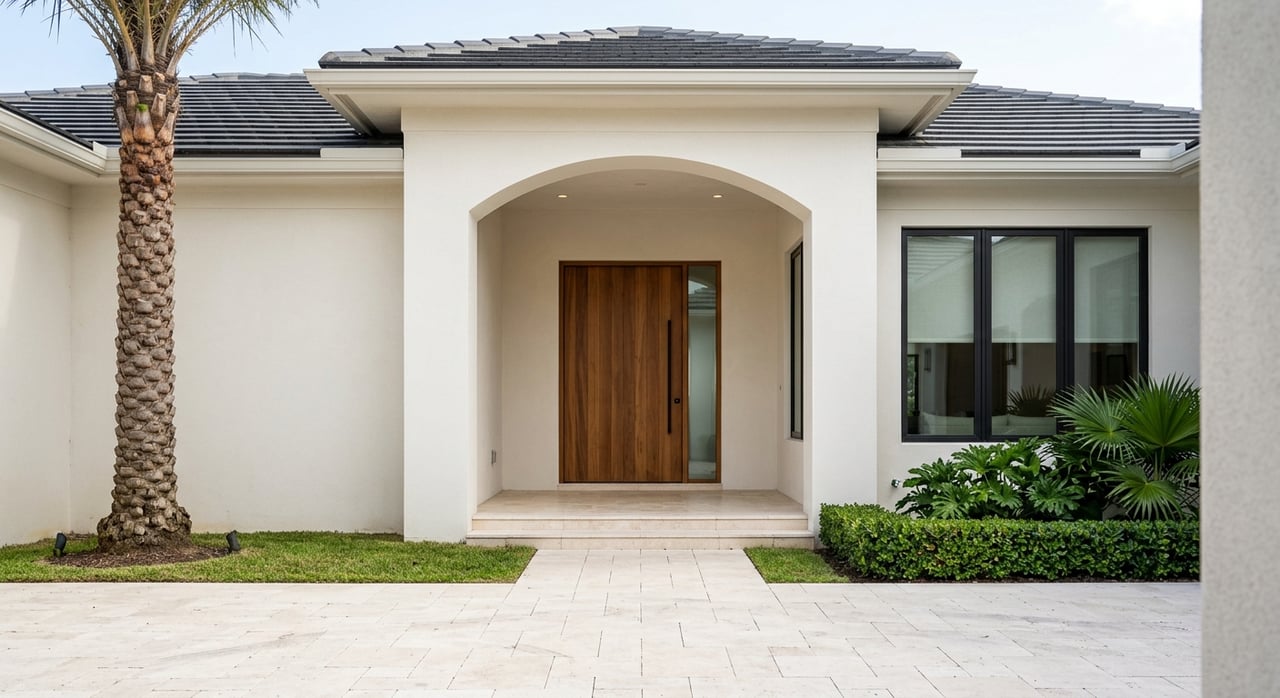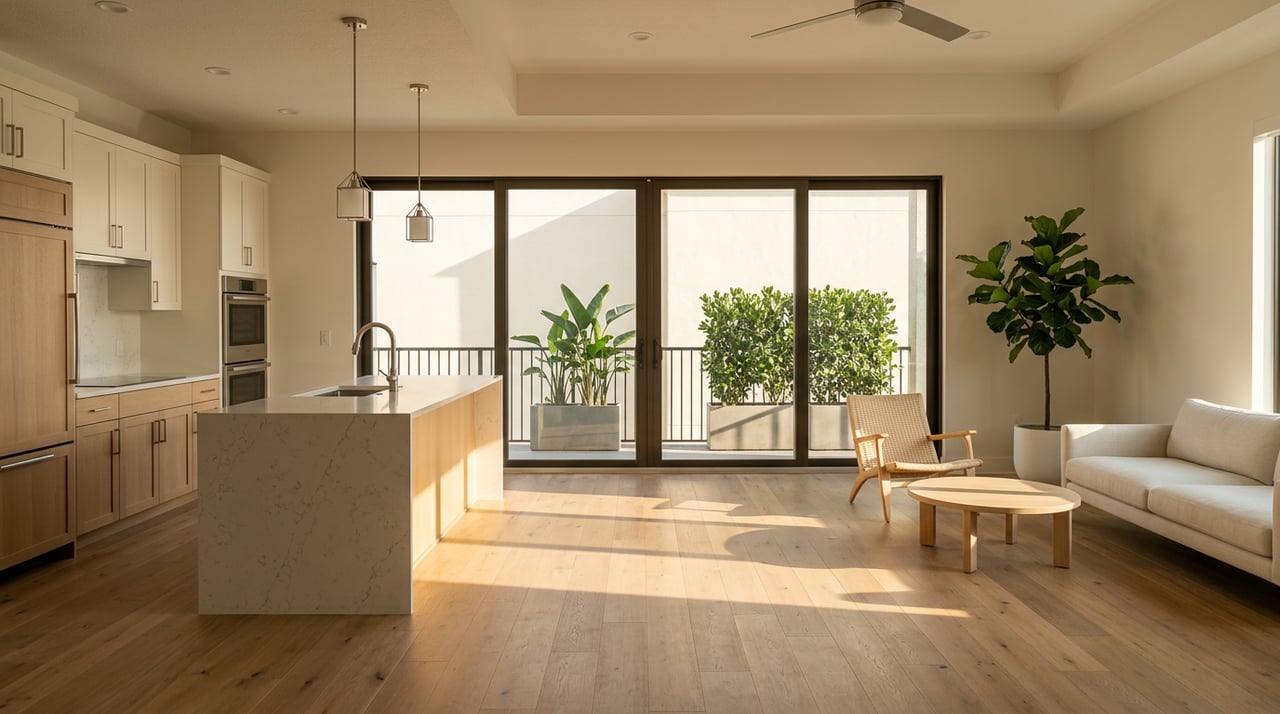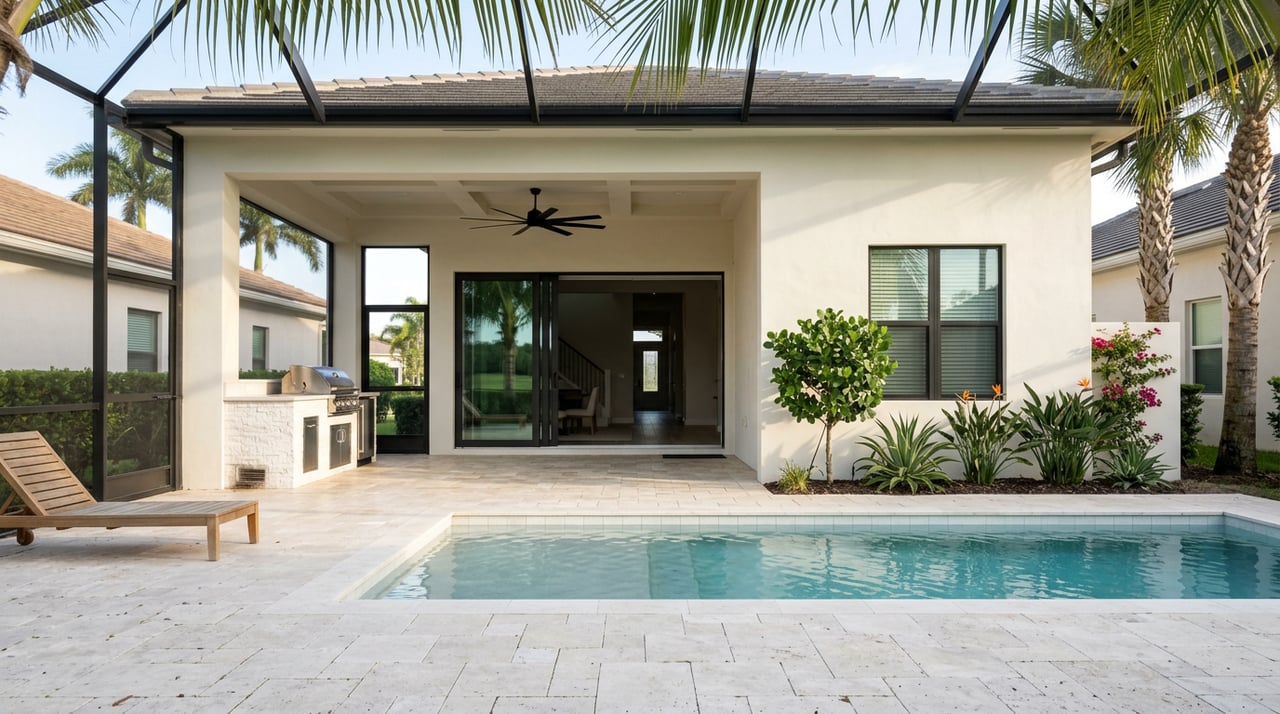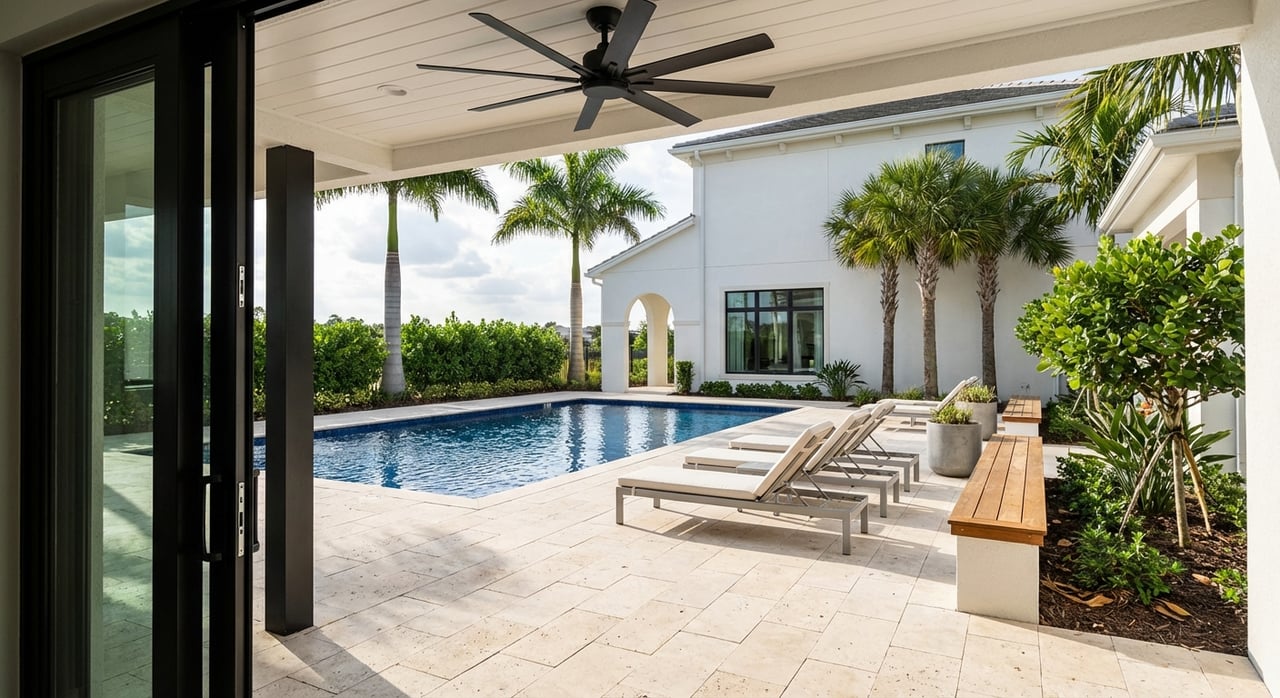
Picture this: you fall in love with a model home, the pool sparkles, and the clubhouse looks like a resort. But how do you know if the community, lot, and monthly costs fit your life for the long haul? Choosing a new construction community in Fort Myers can feel exciting and overwhelming at the same time.
You want a place that fits your lifestyle, budget, and future plans without surprises. In this guide, you’ll learn how to compare builders, lots, HOAs, CDDs, insurance, amenities, commutes, and resale factors so you can buy with confidence.
Let’s dive in.
Understand the Fort Myers new-home landscape
Lee County has attracted steady in‑migration and development activity, which helps explain the range of new master‑planned communities you’ll see from Fort Myers to Estero and beyond. Local economic data points to ongoing population growth and strong housing demand across the area. You can explore the region’s growth patterns in the county’s business resources and demographics materials to set expectations for availability and pace of sales. Lee County demographics highlight this growth context.
Product types run the gamut: single‑family homes, villas, coach homes, active‑adult neighborhoods, and luxury resort enclaves. You’ll also see large master plans with extensive amenities, such as Babcock Ranch northeast of Fort Myers and resort‑style communities near Estero, which set expectations for scale and lifestyle.
For day‑to‑day living, the corridors that matter most are I‑75, US‑41 (Tamiami Trail), and the Cypress/Pine Island routes. The average commute time in Lee County sits around the high‑20‑minute range, which is a useful baseline as you compare drive times to work, school, or the airport. See the U.S. Census QuickFacts for Lee County for context.
HOA vs. CDD: what you pay and why it matters
Many new communities have both a Homeowners’ Association (HOA) and a Community Development District (CDD). Each serves a different purpose and shows up differently on your bills.
- HOA: The HOA manages community rules and maintains common areas. Dues vary by community and reflect what is included, such as landscaping, security, cable/internet, or amenity operations. You’ll see HOA dues in the association’s budget and in your closing disclosures.
- CDD: A CDD is a special‑purpose unit of local government under Florida law that finances public infrastructure like roads, lakes, utilities, and amenity cores with bonds. The district then levies annual non‑ad‑valorem assessments to repay bonds and fund operations. Review the legal framework in Florida Statutes Chapter 190.
In Lee County, CDD assessments often appear as a single non‑ad‑valorem line on your property tax bill. Local districts publish annual assessment tables showing the operations and debt service for each product type. For example, you can see how a district presents per‑unit totals by reviewing an assessment table on a Lee County CDD site. Always confirm the current fiscal‑year amount for your specific lot and whether any bond debt has been prepaid.
Two practical steps streamline this process:
- Pull your TRIM notice and appraiser records to verify ad valorem taxes and any non‑ad‑valorem assessments. The Lee County Property Appraiser site explains annual notices and where assessments appear.
- Request estoppel letters from the HOA and CDD to confirm current balances, fees, and any payoff options for CDD debt.
Builder and contract due diligence
Check builder reputation and warranty
Walk model homes with a critical eye. Ask how long the builder has operated in Lee County, where else they have built locally, and what their warranty covers. Many builders use a combo of builder warranties and third‑party structural programs. Confirm who backs the warranty, what is covered, and how claims work. Industry‑standard structures often include coverage for workmanship, systems, and a longer structural period. To understand typical structural programs in the market, review examples from providers like 2‑10 Home Buyers Warranty.
Request all warranty documents in writing. Ask whether you can hire an independent inspector and how the builder handles punch‑list items before closing.
Read the fine print on incentives and timelines
Builder contracts often favor the builder, so slow down and read every clause. Pay close attention to:
- Deposit terms and whether they are refundable.
- Deadlines for design selections and change orders.
- Any escalation clauses, closing dates, and liquidated damages.
- Whether incentives require using the builder’s preferred lender.
For a practical overview of how new‑construction incentives and terms can work, see this consumer guide from Realtor.com. When needed, consult an attorney for a contract review.
Code, resilience, and inspections
New homes in Florida must meet the Florida Building Code, which governs wind resistance, opening protection, and key structural standards relevant to hurricanes. Ask the builder which edition applies, and request product approvals for windows, doors, and roofing systems. You can review the legal foundation for Florida’s building standards in Florida Statutes Chapter 553.
Before closing, ask for the certificate of occupancy, the local inspection list, and any installation documentation for hurricane protection systems. Even new homes can have defects, so hire an independent inspector and complete a thorough final walk‑through with a documented punch list.
Lot selection, flood risk, and insurance
Lot choice affects sunlight, privacy, and outdoor living. In Lee County, it also affects insurance and long‑term cost. Waterfront and low‑lying areas require extra attention.
- Flood maps: Lee County has been updating FEMA Flood Insurance Rate Maps (FIRMs). Check the current map status for your specific lot in the county’s flood map resource.
- Elevation: Request the finished‑floor elevation or an elevation certificate for the lot. Verify whether the property lies in a Special Flood Hazard Area.
- Insurance: After recent storms and risk‑based pricing changes, flood and wind coverage costs in parts of Southwest Florida have risen. University of Florida analysis discusses how risk‑based premiums have increased in many coastal counties. Review this overview to understand why quotes can vary by address and elevation: UF Due Diligence report on flood insurance trends.
Get quotes for both NFIP and private flood options before you commit. Ask homeowners carriers about wind/hurricane deductibles and roof credits.
Amenities and HOA tradeoffs
Amenities like clubhouses, pools, trails, and lawn care can be a big part of your lifestyle. They also drive HOA dues. Compare what each community includes and how well it is funded.
- Review the HOA budget, reserve study, and the last 2–3 sets of meeting minutes.
- Confirm what is included in dues, such as landscaping, cable/internet, or irrigation.
- Ask about any planned capital projects or upcoming assessments.
If you plan to rent seasonally or host guests, confirm the community’s rental and guest policies in writing.
Commute, access, and daily life
Try your commute during peak times on your likely route. As a baseline, Lee County’s average commute runs around 28–29 minutes, according to U.S. Census data. Map your daily errands, too. Proximity to shopping, dining, medical care, golf or boating access can shape your routine and resale appeal.
Resale and long‑term value
Resale strength tends to follow a few fundamentals:
- The scale and reputation of the master plan and developer.
- Product mix and price bands that attract steady demand.
- Ongoing costs, including HOA dues and any CDD assessments.
- Location, commute convenience, and lifestyle access.
As you choose options and upgrades, focus on selections with broad appeal, such as kitchen finishes, flooring continuity, and outdoor living enhancements that suit Southwest Florida living.
Your comparison checklist
Use this list for each community and lot you are considering. Save documents in one folder so you can compare apples to apples.
- Community docs: HOA covenants/bylaws, budget, reserve study, and recent minutes.
- CDD details: current assessment table by product type and an estoppel/payoff letter. Review how assessments appear on the tax bill using the Lee County Property Appraiser site and a district’s published assessment table.
- Builder packet: model spec sheet showing standard vs. upgrades, full contract, and all warranty paperwork. Review typical structural coverage using a resource like 2‑10’s warranty overview.
- Site risk & insurance: FEMA/Lee County flood map status, finished‑floor elevation or elevation certificate, and flood plus homeowners/wind quotes. Use the county’s FEMA map updates page and understand pricing context via UF’s flood insurance analysis.
- Local access: test the commute at rush hour on I‑75 or US‑41, check airport and medical access, and note daily conveniences.
- Schools & zoning: confirm school assignment and any enrollment plan details for the exact address with the district.
- Inspections & walk‑throughs: hire an independent inspector and document a final punch list before closing.
What to watch for
- Relying only on the on‑site sales rep. The rep works for the builder. Bring your own agent to advocate for your interests.
- Skipping independent inspections. New homes can have defects that should be addressed before closing.
- Not confirming CDD debt status. Always verify whether the bond debt is prepaid and the exact annual assessment.
- Assuming model finishes are standard. Ask for the base spec sheet and the price list for upgrades.
- Forgetting flood and insurance quotes for the specific lot. Costs can vary widely within the same community.
- Overlooking HOA reserves and recent minutes. Ask for the last 2–3 years of financials and meeting notes.
Ready to compare communities side by side or want help navigating HOAs, CDDs, and builder contracts? Reach out to Mike & Kylie Fowler for local guidance tailored to how you live.
FAQs
What is a CDD in Florida new communities?
- A CDD is a special‑purpose local government that finances community infrastructure with bonds and then charges annual non‑ad‑valorem assessments to homeowners to repay debt and fund operations, as outlined in Florida Statutes Chapter 190.
How do HOA dues differ from CDD assessments?
- HOA dues fund private association operations and amenities. CDD assessments fund public infrastructure and operations for the district and usually appear as a non‑ad‑valorem line on your property tax bill; ask for the assessment table and an estoppel for exact amounts.
How do I check flood risk for a Fort Myers lot?
- Use the county’s FEMA map updates page to confirm current mapping, request the lot’s finished‑floor elevation or elevation certificate, and get flood insurance quotes for that exact address.
Are new homes in Fort Myers built to hurricane standards?
- Yes. New homes must meet the Florida Building Code, which sets wind and opening protection requirements. Ask your builder which edition applies and request product approvals; see Florida Statutes Chapter 553 for the legal framework.
Where do I find my current tax and assessment lines?
- Review your TRIM notice and property records on the Lee County Property Appraiser site. CDD assessments typically show as non‑ad‑valorem lines, while HOA dues are billed by the association.
Do I need my own agent if the builder has a sales office?
- Yes. The on‑site rep represents the builder. Your own agent can help you compare communities, review contracts, and manage inspections and closing so your interests come first.