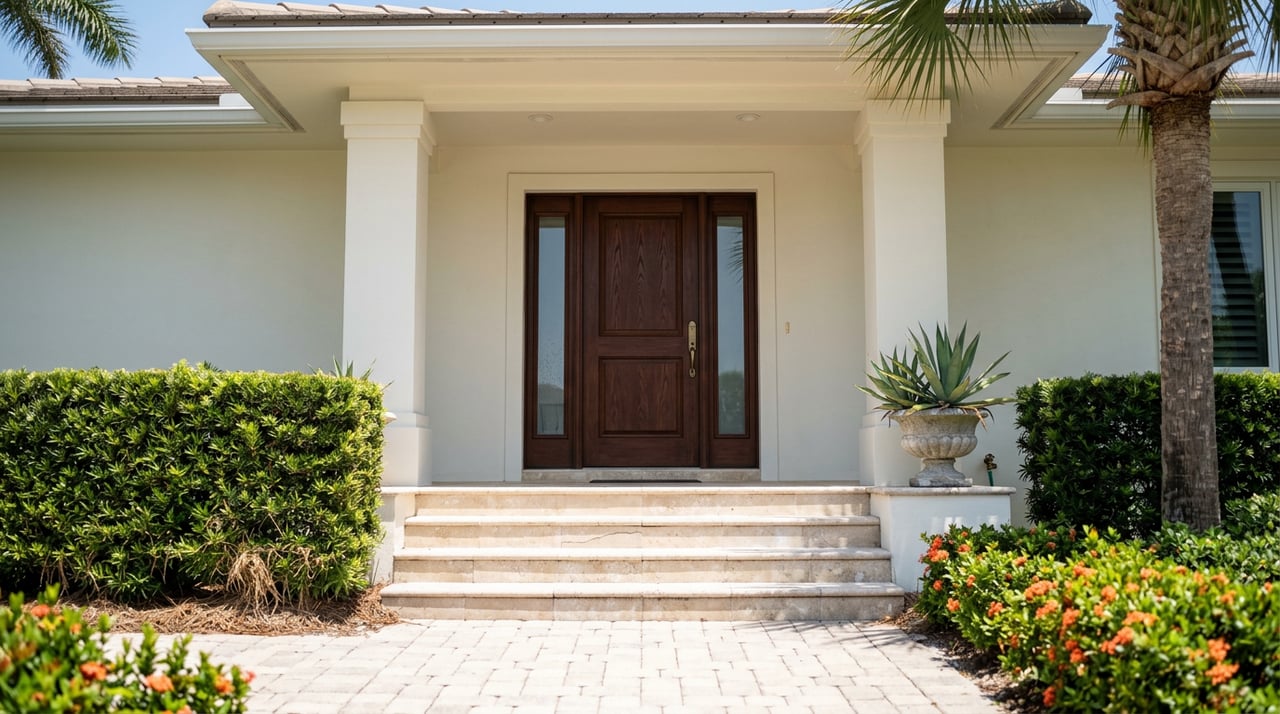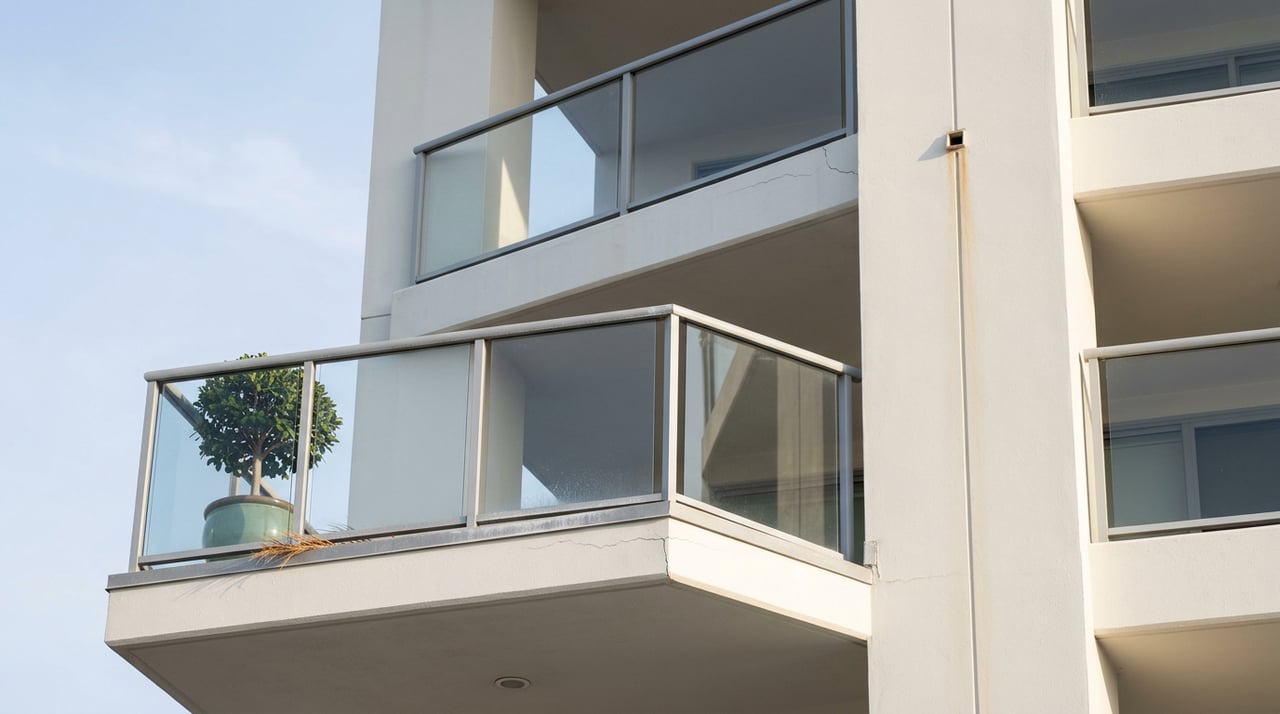
Two buildings sit within a few miles of each other in Bonita Springs. One went up in the 1990s, its concrete already three decades into salt air and Gulf humidity. The other is Infinity at The Colony, a 22-story tower in Pelican Landing that finished construction in 2026 and is still closing on its first owners. If you asked most buyers which one carries more structural paperwork risk right now, they would point at the older building without hesitation.
They would be half right, and that gap between half right and fully informed is where a lot of Southwest Florida condo deals are getting complicated this year.
Two different laws, two different triggers
Florida actually runs two separate structural compliance programs for condos, and conflating them is the single most common mistake buyers and even some agents make.
The milestone inspection, created after the Surfside collapse, is triggered by a building's age. Under Florida Statute 553.899, buildings within three miles of the coast face their first inspection at 25 years old, everywhere else it's 30, and then every 10 years after that. The City of Naples building department spells out this coastal distinction directly on its own milestone inspection page, and the same three-mile rule applies across Lee and Collier counties, which means two nearly identical towers a few miles apart can owe their first inspection in different years depending on how close they sit to the water.
The Structural Integrity Reserve Study, or SIRS, is a different animal entirely. It isn't triggered by age at all. It's triggered by height. Any condominium or cooperative building three or more habitable stories tall has to have one, whether it was built in 1988 or finished its final closing last month.
That second point is the one that changes how you should actually shop or list in Bonita Springs right now.
| Milestone Inspection | Structural Integrity Reserve Study (SIRS) | |
|---|---|---|
| What triggers it | Building age: 25 years within 3 miles of the coast, 30 years elsewhere | Building height: any qualifying building 3+ habitable stories, regardless of age |
| Who it applies to | Aging towers reaching a set threshold | Every qualifying association, including buildings completed this year |
| Current deadline | Set once a local enforcement agency issues written notice, then repeats every 10 years | Existing associations owed their first SIRS by December 31, 2025, with a narrow allowance to complete it alongside a 2026 milestone inspection, but never after December 31, 2026 |
| What it produces | A signed engineering report on structural condition and whether repairs are required | A funding plan showing whether reserves for structural components are adequate, underfunded, or headed for a special assessment |
A brand-new building doesn't need a milestone inspection for decades. It absolutely needs a SIRS on file today. So when a buyer asks "how old is this building" as a proxy for structural risk, they're asking a question that only answers half of what they actually need to know.
Why 2026 is the year this stopped being theoretical
For years, Florida condo boards could vote to waive or underfund reserves for big-ticket structural items, which is part of what let deferred maintenance pile up quietly in older buildings statewide. That option is gone. Starting with budgets adopted after December 31, 2024, associations can no longer waive reserve funding for the eight components a SIRS covers: roof, load-bearing structure, fire protection, plumbing, electrical, waterproofing, windows and exterior doors, and any other item over a set cost threshold, which for 2026 sits at roughly $25,675 after its annual inflation adjustment.
That means the 2026 operating budget is the first one that has to show the real number. If a building spent a decade keeping dues artificially low, this is the year that math becomes visible in board minutes, in the reserve study, and eventually in a special assessment notice.
If your building's milestone inspection is due on or before December 31, 2026, Florida law lets the association complete its SIRS at the same time as that inspection. Under no circumstances can the SIRS be finished after that date.
That single sentence explains why engineering firms across the state have been booked out for months. Boards that waited are now competing for the same limited pool of licensed structural engineers, and a rushed inspection in November costs more than a planned one scheduled in February.
What this looks like on the ground in Bonita Springs
Bonita Springs has a genuine mix of eras along its coastline and inland golf corridors. Established communities like Bonita Bay, a 2,400-acre gated community that's long been one of the area's signature addresses, and Spanish Wells, a prominent gated golf community built around a 27-hole course, have towers old enough that a 25-year or 30-year milestone clock is either already running or close to starting. Newer high-rises like Infinity at The Colony, still finishing final closings this year, sidestep the age-based milestone question entirely for now, but they don't sidestep SIRS. Height alone puts them in the same reserve-study conversation as their older neighbors.
This is the two-tier condo market that's starting to show up in Southwest Florida transaction data: buildings with a completed SIRS, a funded reserve, and a clean milestone report are commanding a premium, while buildings that delayed either requirement are seeing buyers price in the risk before they'll write an offer. It isn't about how the lobby looks or when the pool was last resurfaced. It's about whether the paperwork behind the building matches the paperwork in front of the buyer.
What to actually ask for before you write an offer
If you're buying a condo in Bonita Springs this year, whether it's a resale unit in a 1990s tower or a new-construction closing, the documents to request are the same:
- The most recent milestone inspection report, if the building has reached its trigger age, along with any engineer's opinion of probable repair cost
- The current Structural Integrity Reserve Study and reserve account balances, since every qualifying building needs one regardless of age
- Board meeting minutes from the past 12 to 24 months, which often mention upcoming votes on assessments or financing before anything becomes official
- The association's master insurance summary, including deductibles and any recent claims history
- Written confirmation of any pending or discussed special assessments, and whether the seller has agreed to pay them in full at closing rather than passing them to you
That last point matters more than it sounds. A pending assessment doesn't have to be a dealbreaker. It's increasingly becoming a negotiating point instead, with sellers agreeing to satisfy the assessment before closing so the buyer starts ownership without an open balance. Treat it as leverage, not just a red flag.
The nuance sellers should know too
If you're on the other side of this, listing a unit in an older building, the same documents work in your favor when they're clean. A completed milestone inspection with no Phase 2 findings and a fully funded SIRS is now a selling point you can put in writing, not just a compliance checkbox. Buyers in this market are asking for it before they'll compare your listing to the one two buildings over.
One caution worth naming directly: Florida law allows associations to pause reserve funding for up to two years after a milestone inspection, but only to redirect that money toward repairs the inspection actually identified. It's not a general affordability tool, and a board using it as one can find itself out of compliance in a way that surfaces during a buyer's due diligence.
A few questions worth answering directly
Does a brand-new condo building need a milestone inspection? Not for decades. Milestone inspections trigger at 25 or 30 years depending on coastal proximity. A tower finished in 2026 won't face one until well into the 2050s.
Does that same new building need a SIRS? Yes. The Structural Integrity Reserve Study is required for any qualifying condominium or cooperative building three or more habitable stories tall, regardless of age. Height is the only test that matters here.
Can a buyer negotiate around a pending special assessment? Often, yes. It's increasingly common for sellers to agree to pay a known assessment in full before closing, which lets the buyer take ownership without inheriting that balance.
Where should I start if I'm not sure what applies to a specific building? Confirm the certificate of occupancy date, measure the property's distance from the coastline, and ask the association directly whether both the milestone inspection and SIRS have been completed. Those three answers tell you almost everything else you need to know before you make a decision.
If you're weighing a resale tower against new construction in Bonita Springs, or trying to figure out what a specific building's paperwork actually says about its future costs, that's the kind of question worth a direct conversation rather than a guess. The Fowler Team works both sides of this market every week, from builder-direct new construction to established waterfront towers, and can walk through a building's actual compliance status before you write an offer or sign a listing agreement. Discover Your SWFL Home.